CHILDREN OF THE WINTER KINGDOM
The Bonkers Adventures of Holly and Spruce
Written by Adam Dugas and Mary Eileen O’Donnell
Directed by Adam Dugas
World Premiere Production at The Actors’ Gang, December, 2025
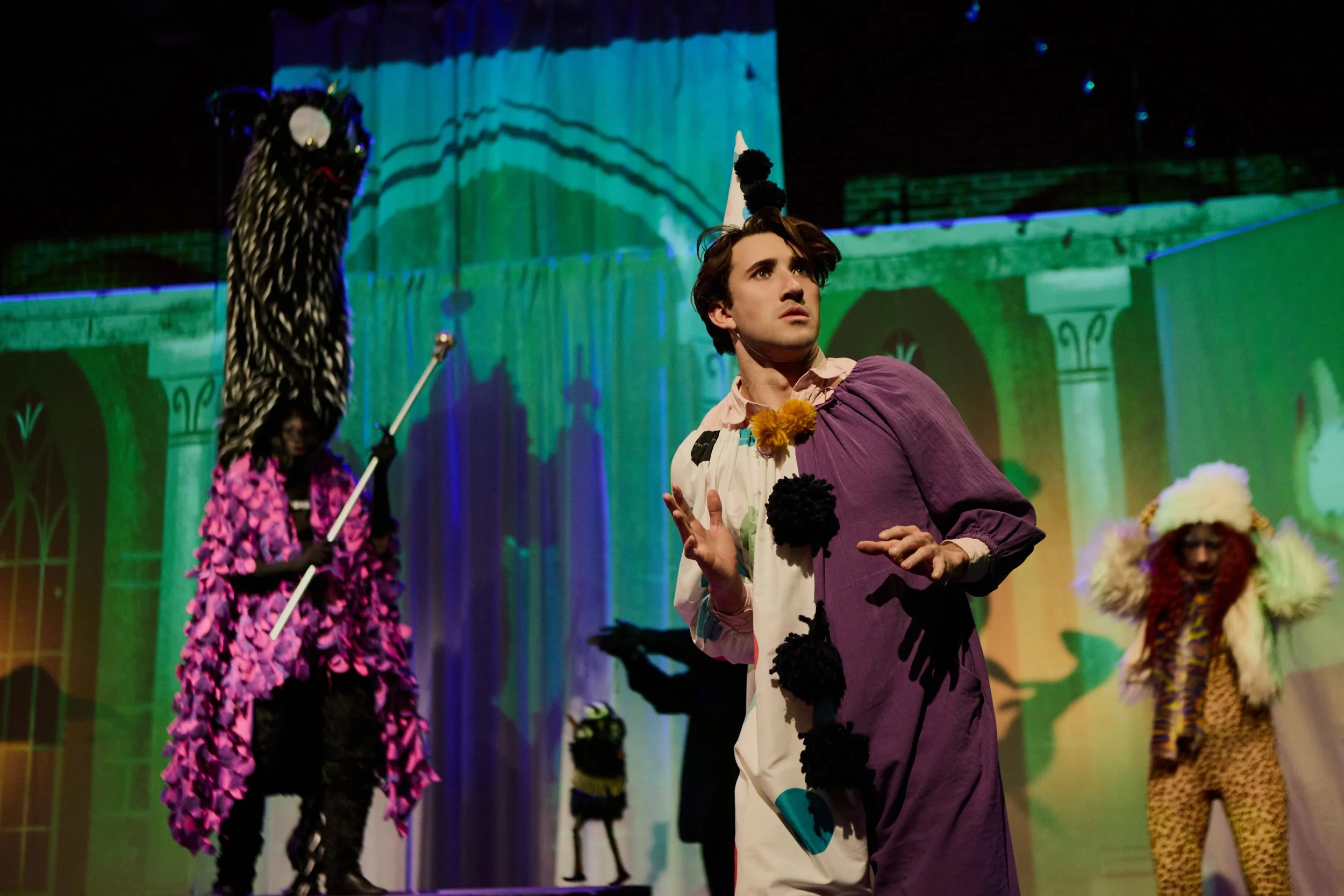
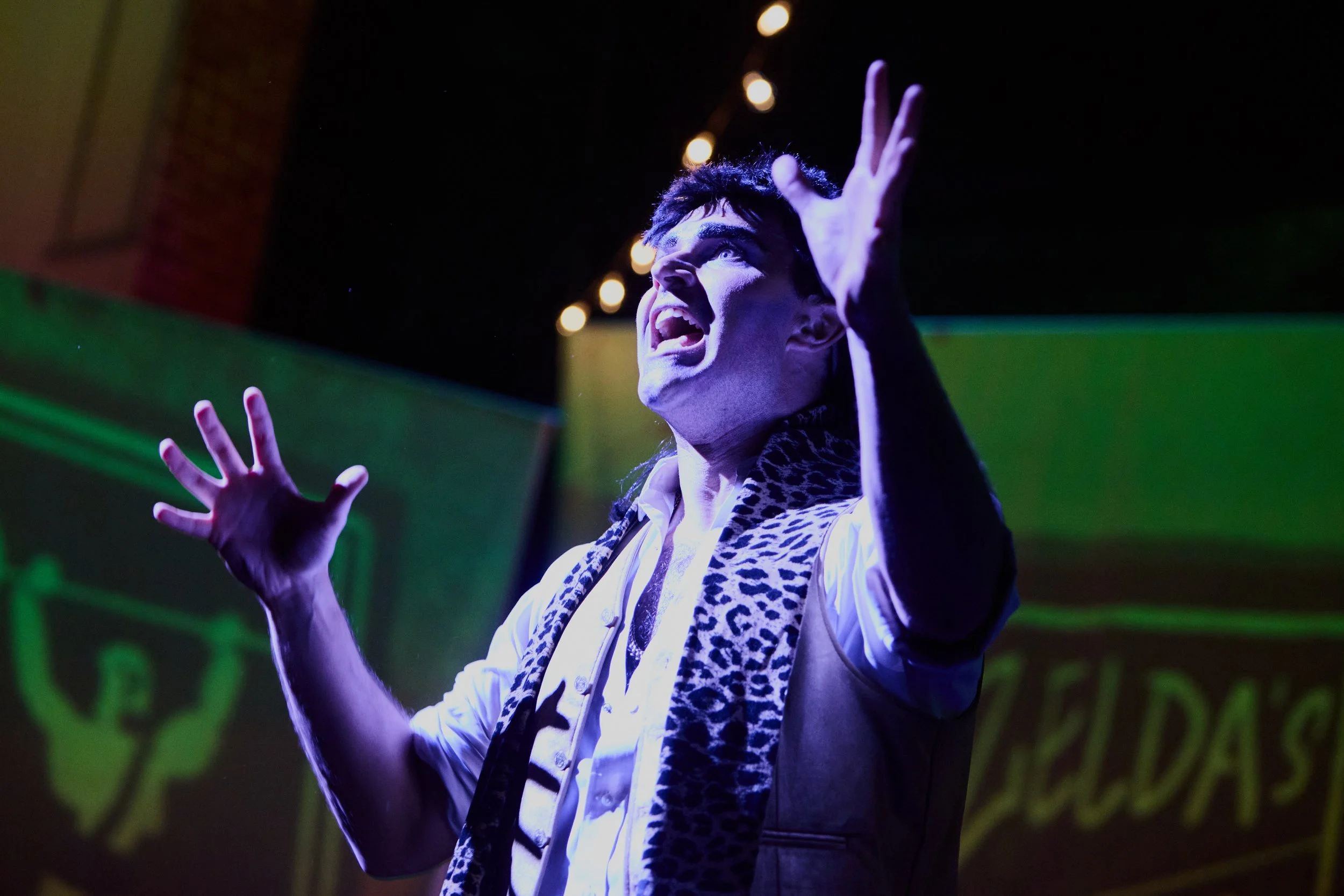
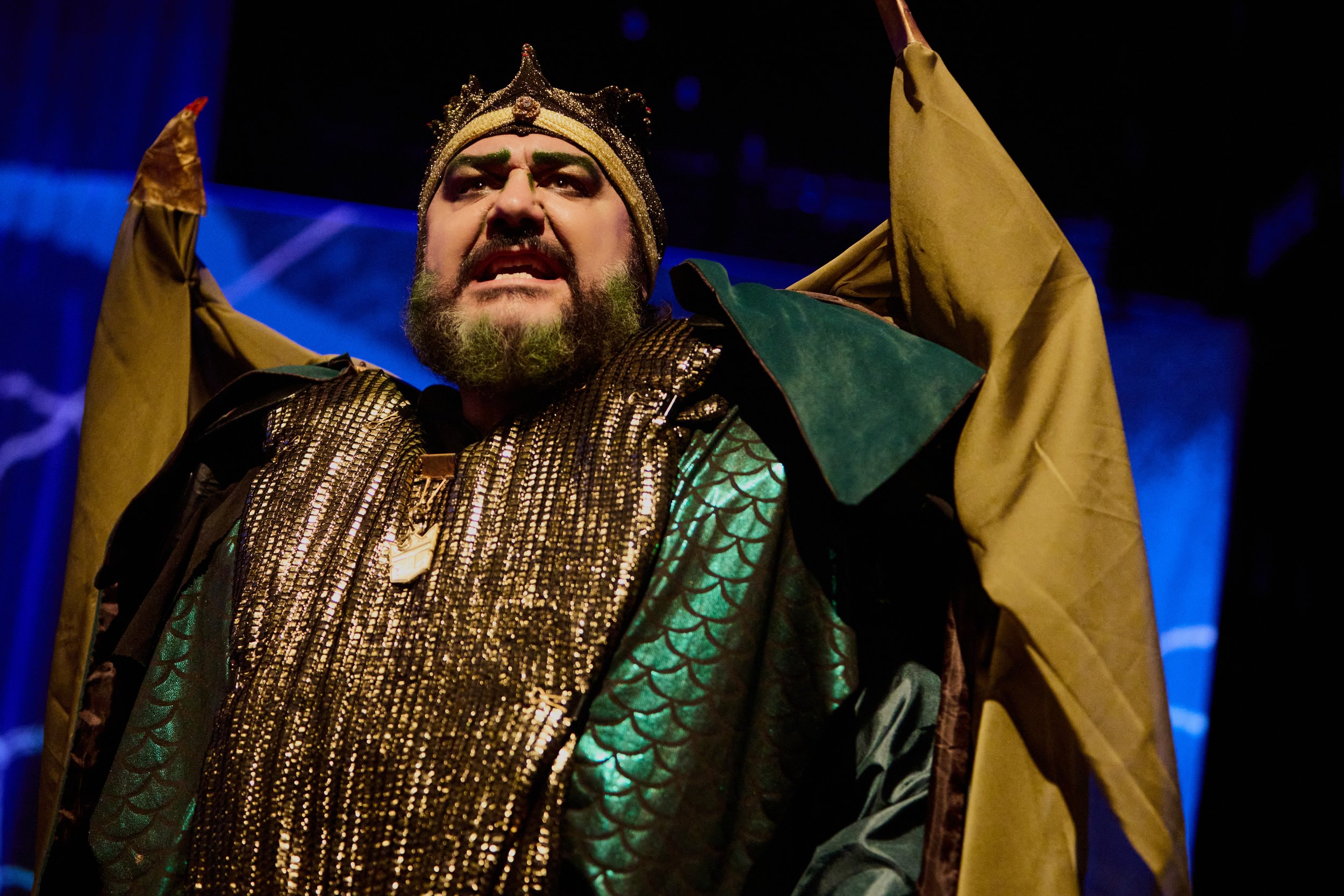
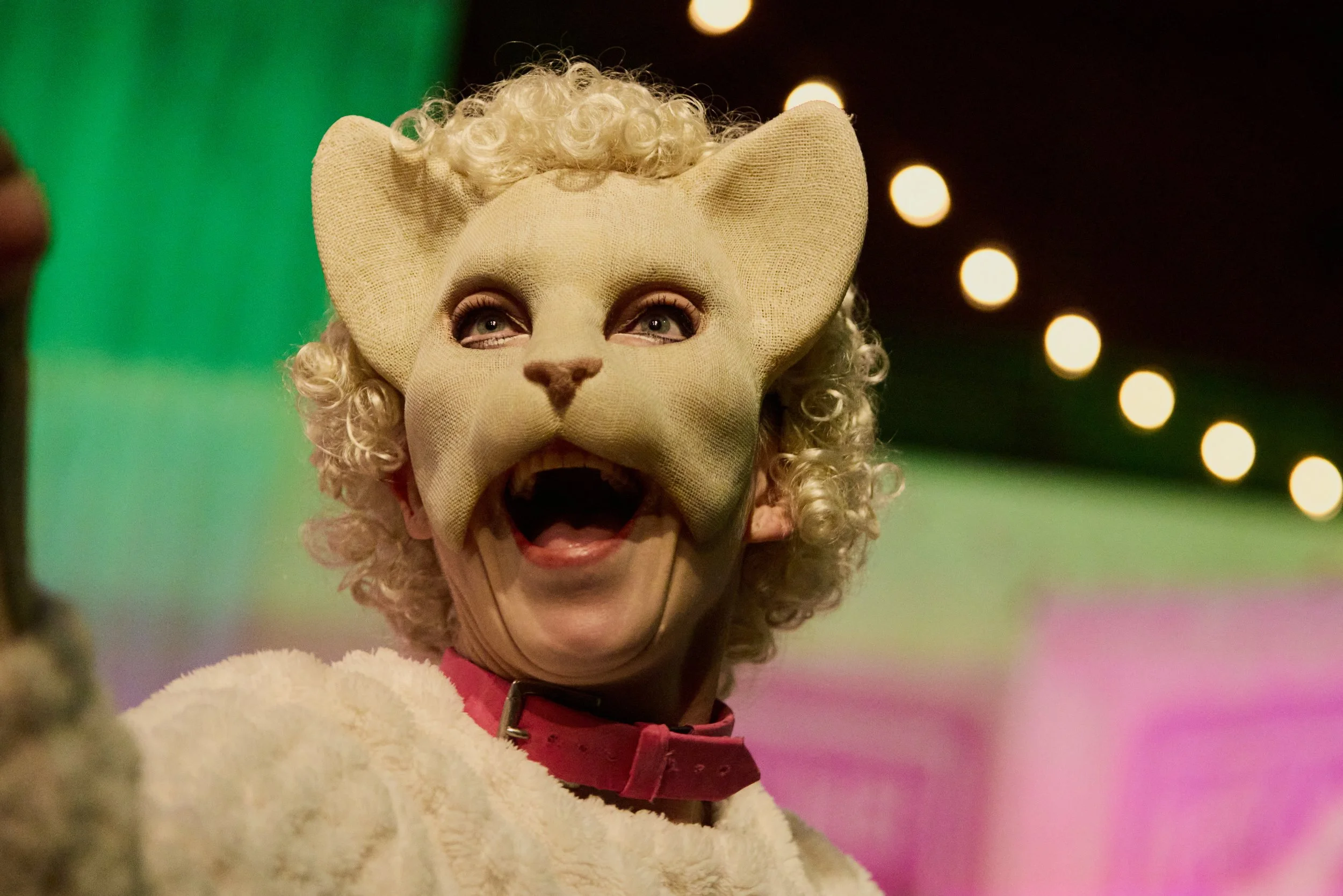
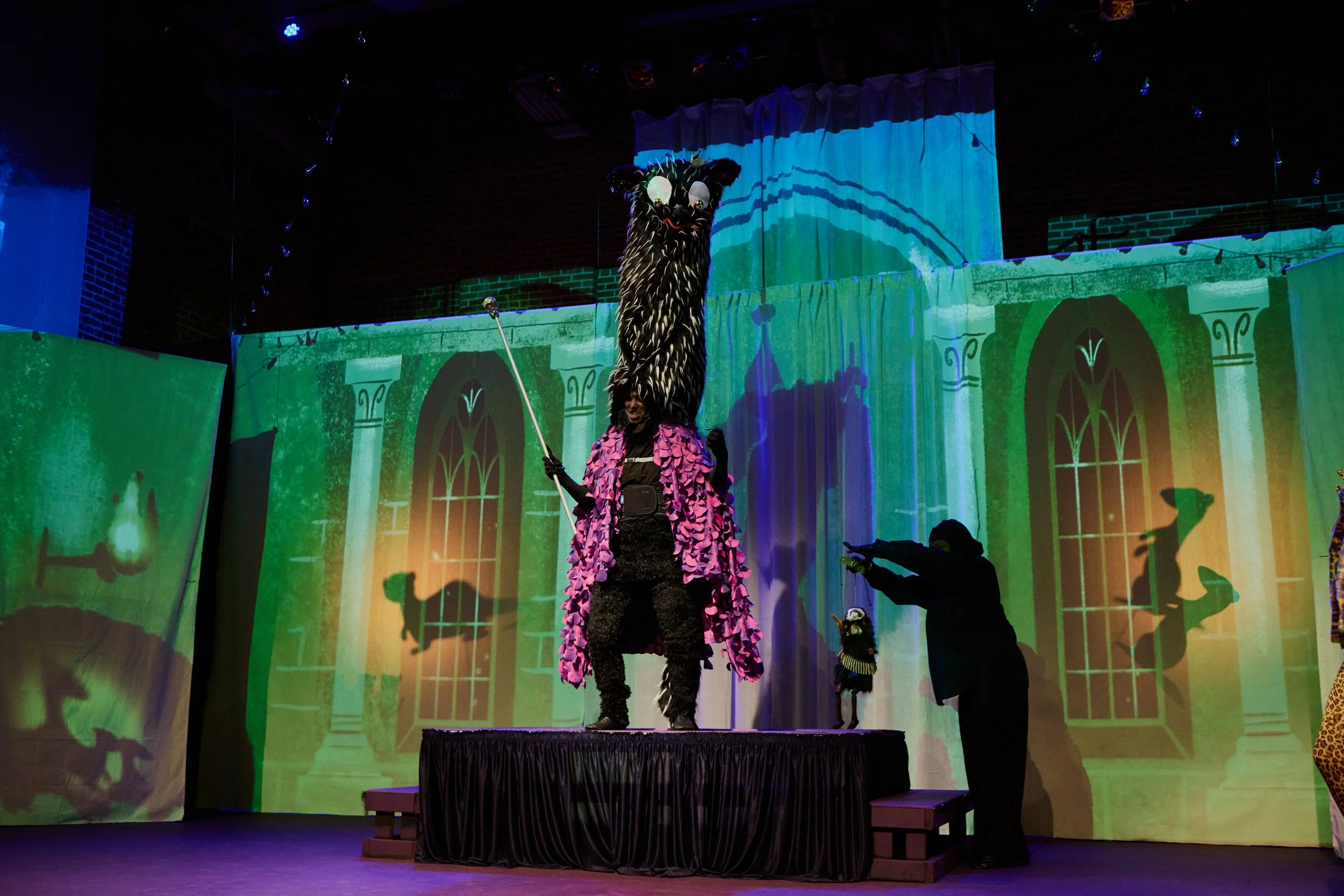
Nico Fife as the Emperor Weasel, Jacob Dodson as Spruce, Zoe Molina as Zelda. Photo by Bob Turton Photography.
In May of 2025 I met with The Actors’ Gang artistic director Tim Robbins about the upcoming 2025-26 season. His proposal was that I create a show for the holiday slot in collaboration with Mary Eileen O’Donnell. Mary Eileen and I were both contributing writers for the show Night Miracles, an evening of ten 10-minute plays produced in January, 2025. I directed my own playlet “Game Show” and played the self-loathing drug addict Humpty Dumpty in Mary Eileen’s storybook characters-in-therapy playlet “In Recovery”.
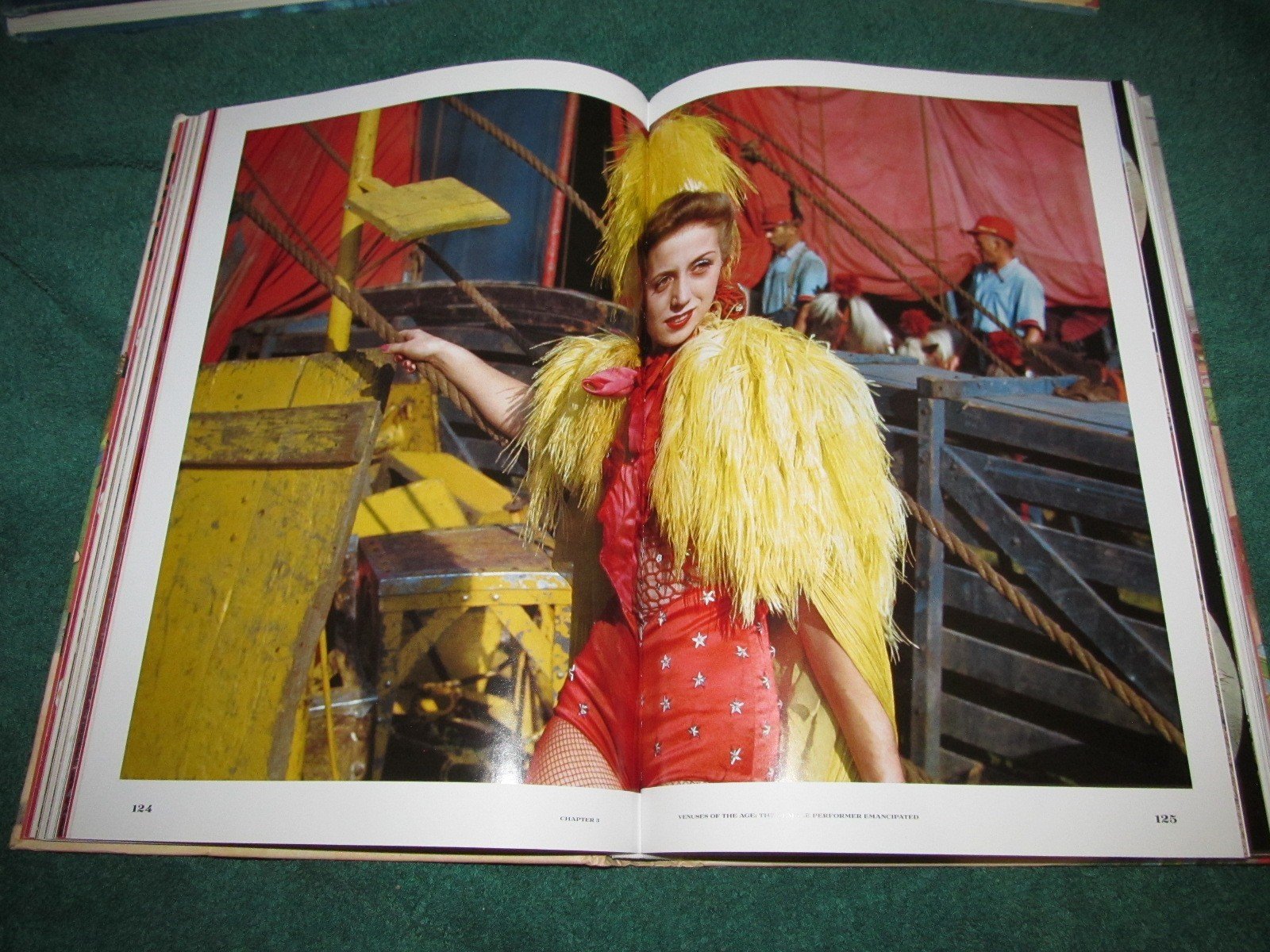
Traditionally, holiday shows at The Actors’ Gang were variety nights with specialty acts, skits and such. We agreed, however, to try something different: an original fairy tale fantasy play with music. Originally, the goal was to try to work specialty acts into the show itself. The character of the Ice Spider, for example, was imagined to be played by an aerialist, and there is a whole sequence set in a circus.
What we created over the next few months was CHILDREN OF THE WINTER KINGDOM, and it is one of my proudest achievements. We created all new characters and a brand new story. I wrote new songs, and returned to directing for the stage in my big, bold style. I did a long interview piece for BroadwayWorld you can read here. It explains a lot about my process, inspirations, references, and the themes I was exploring.
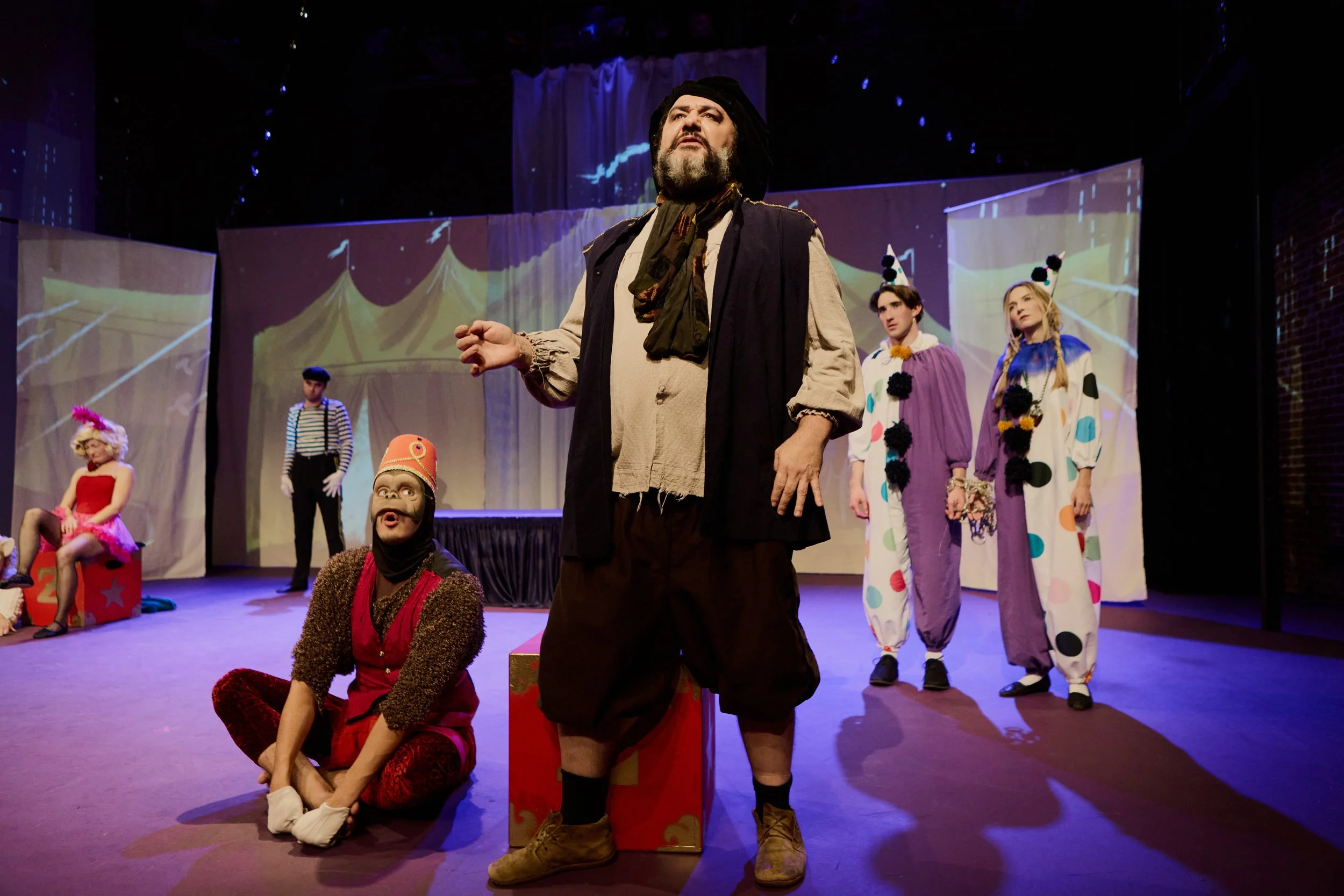
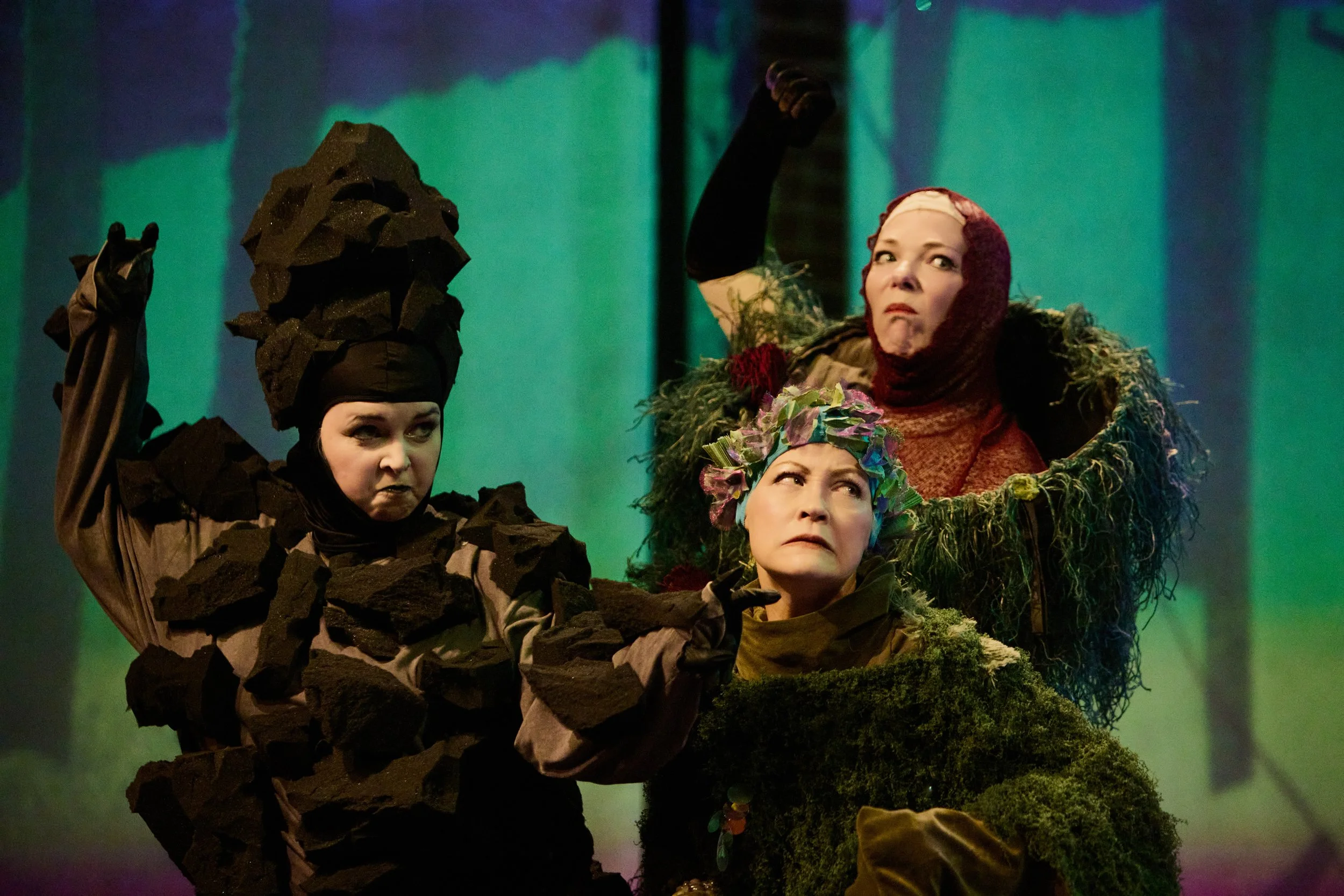
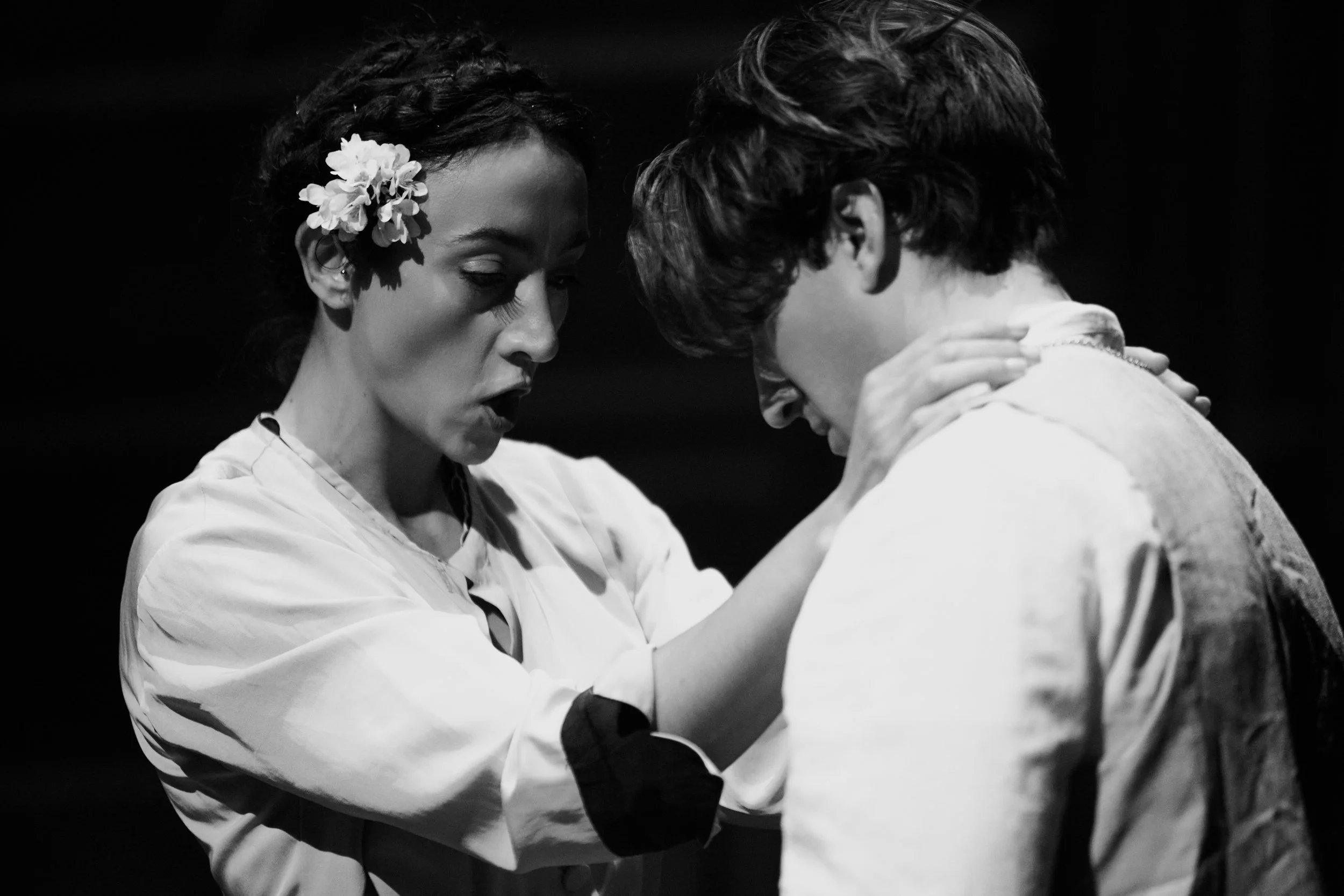
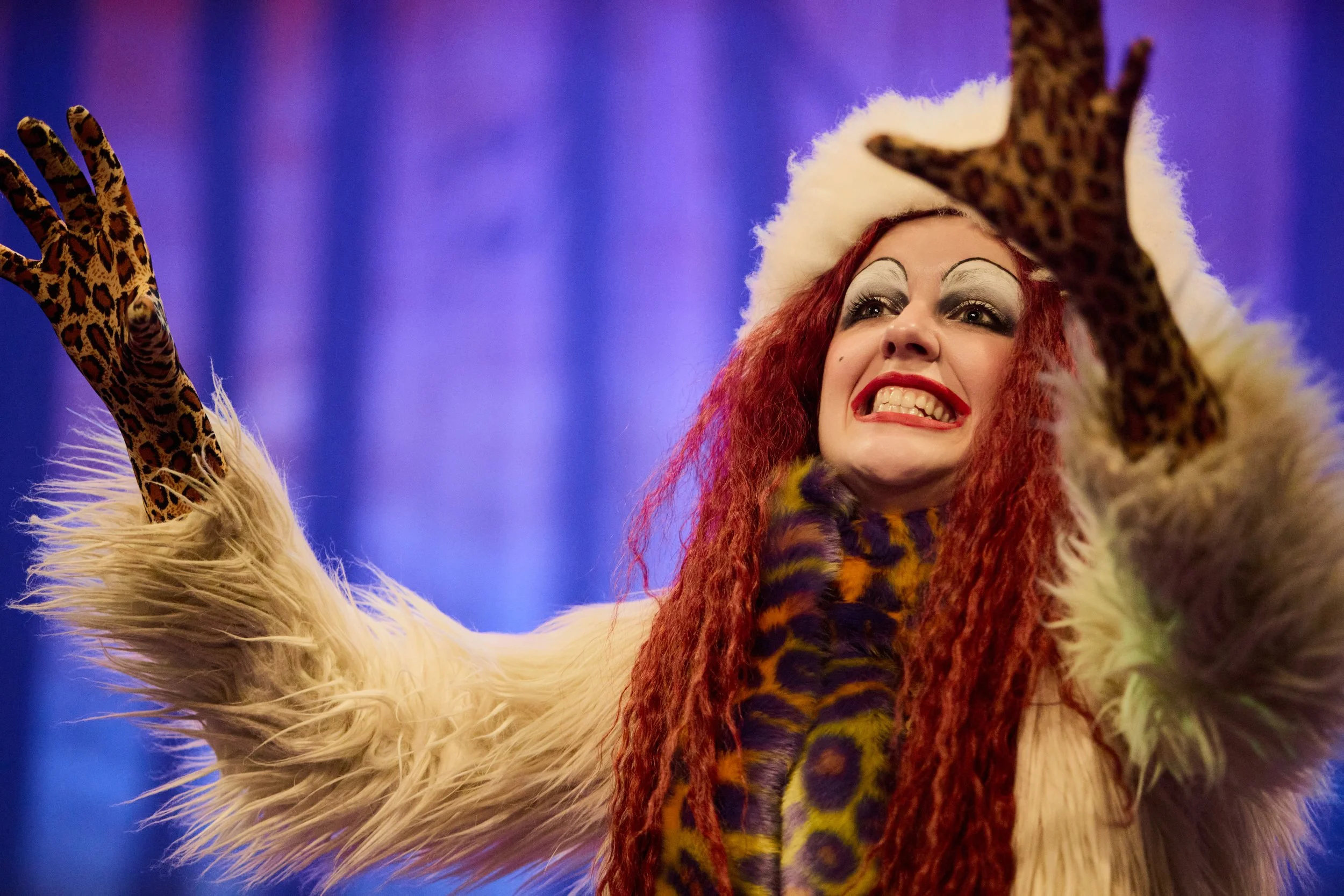
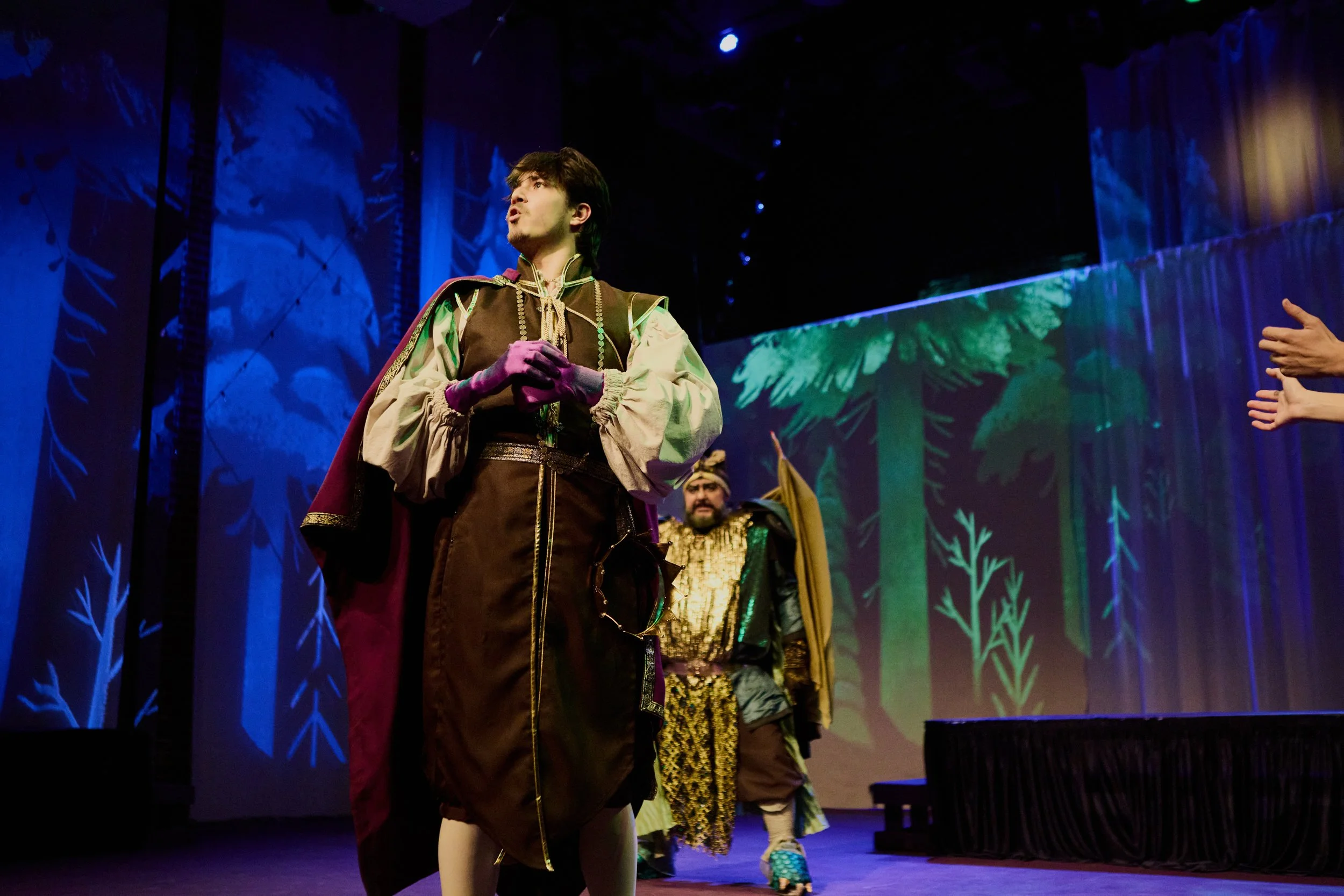
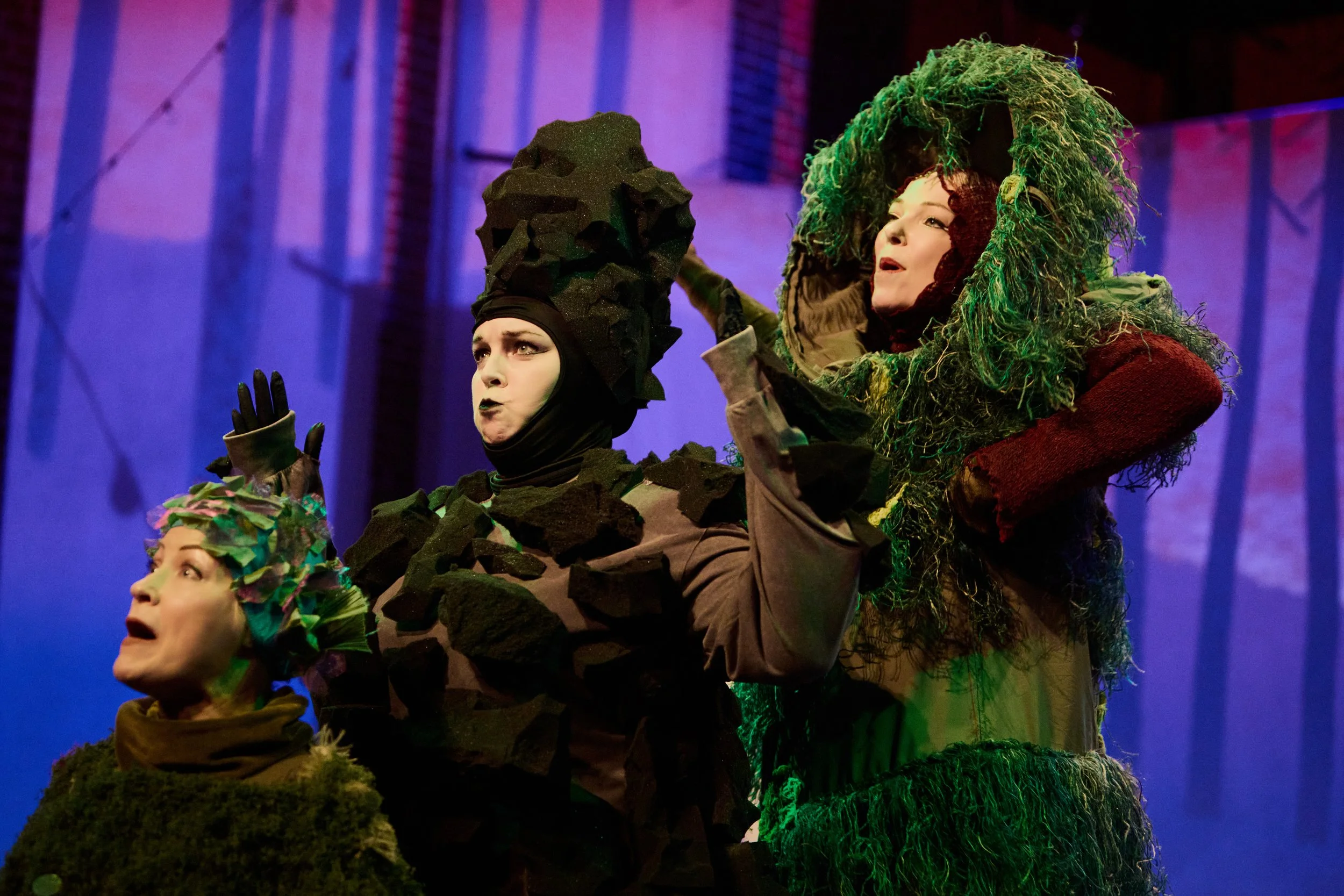
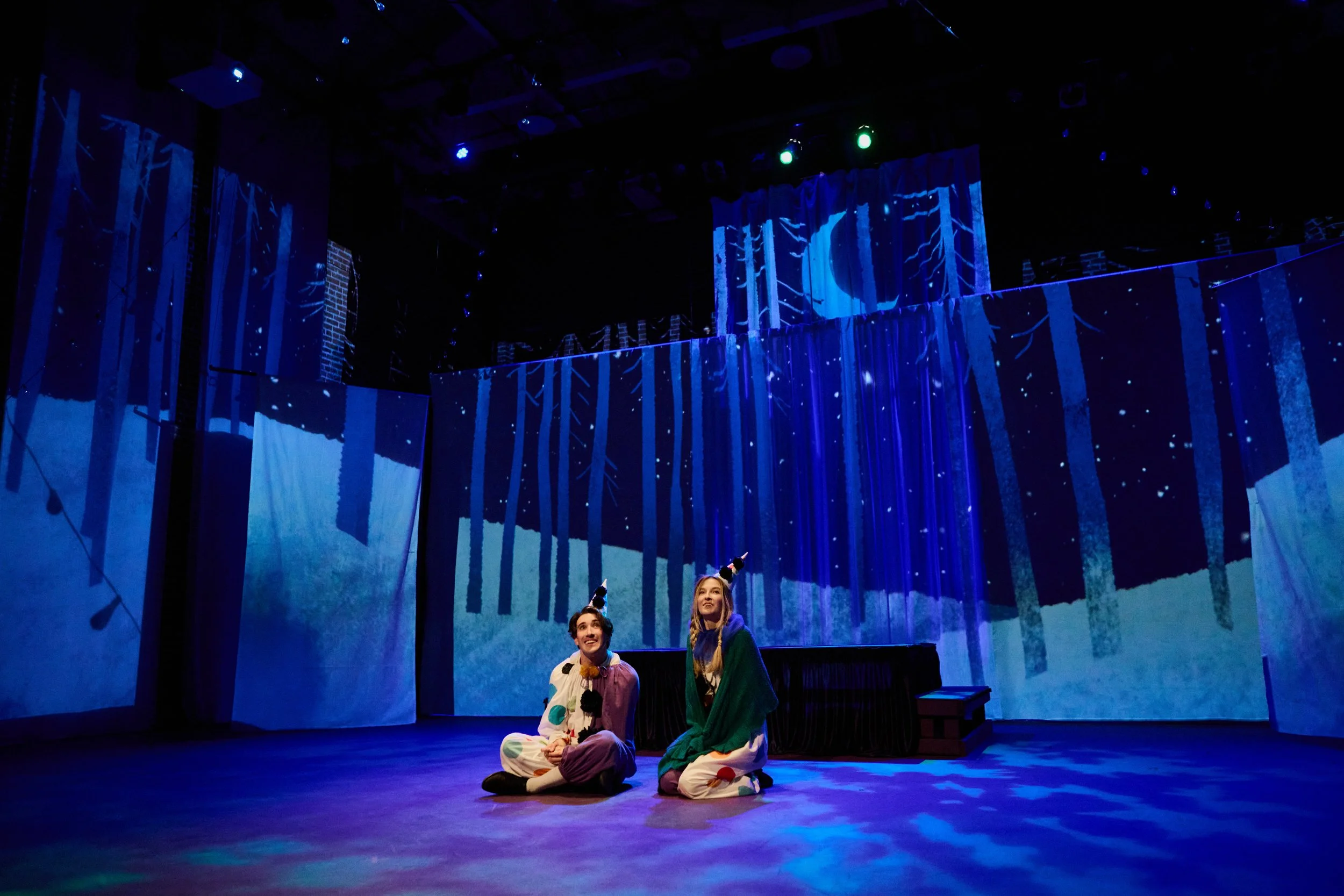
Photos by Bob Turton Photography

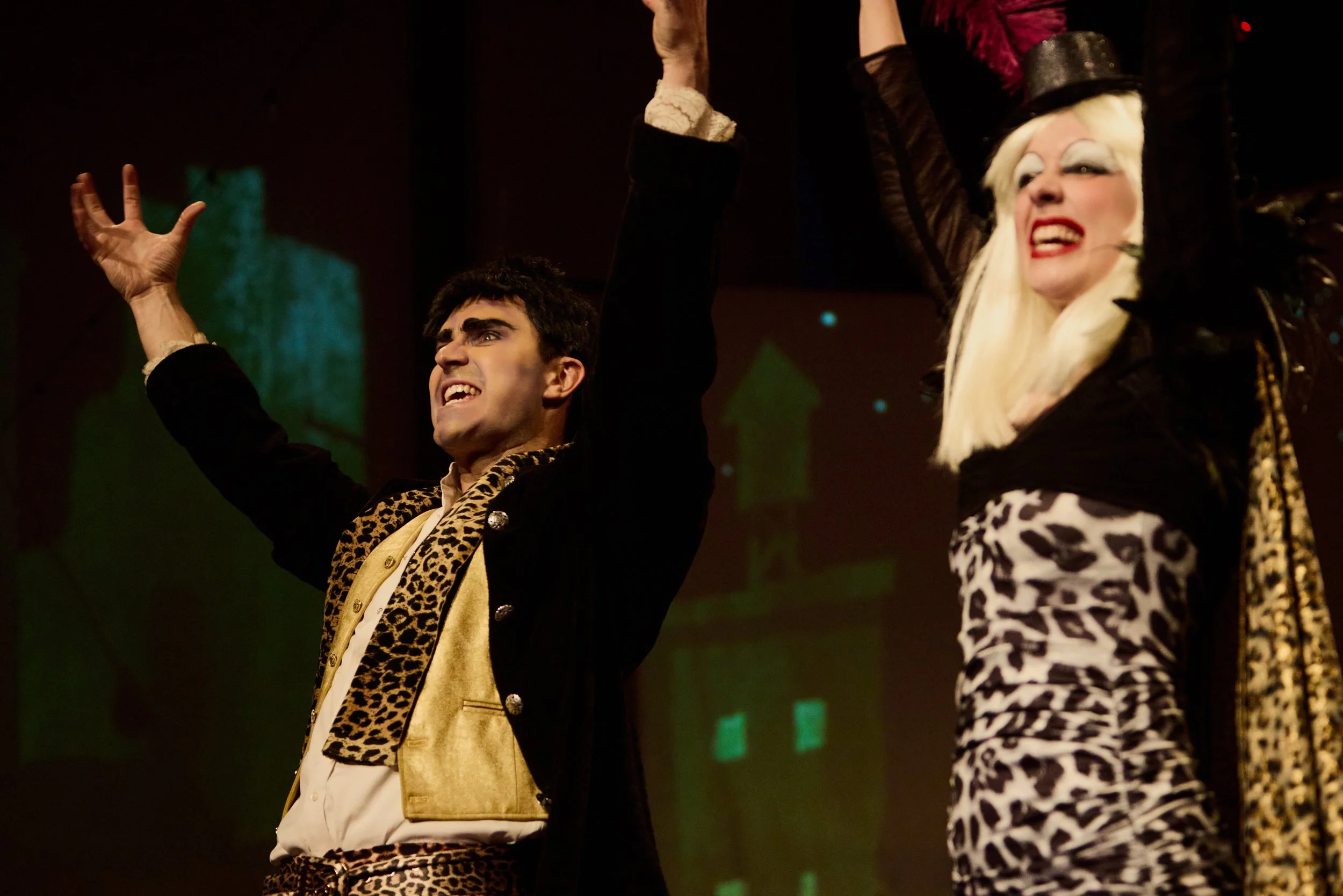
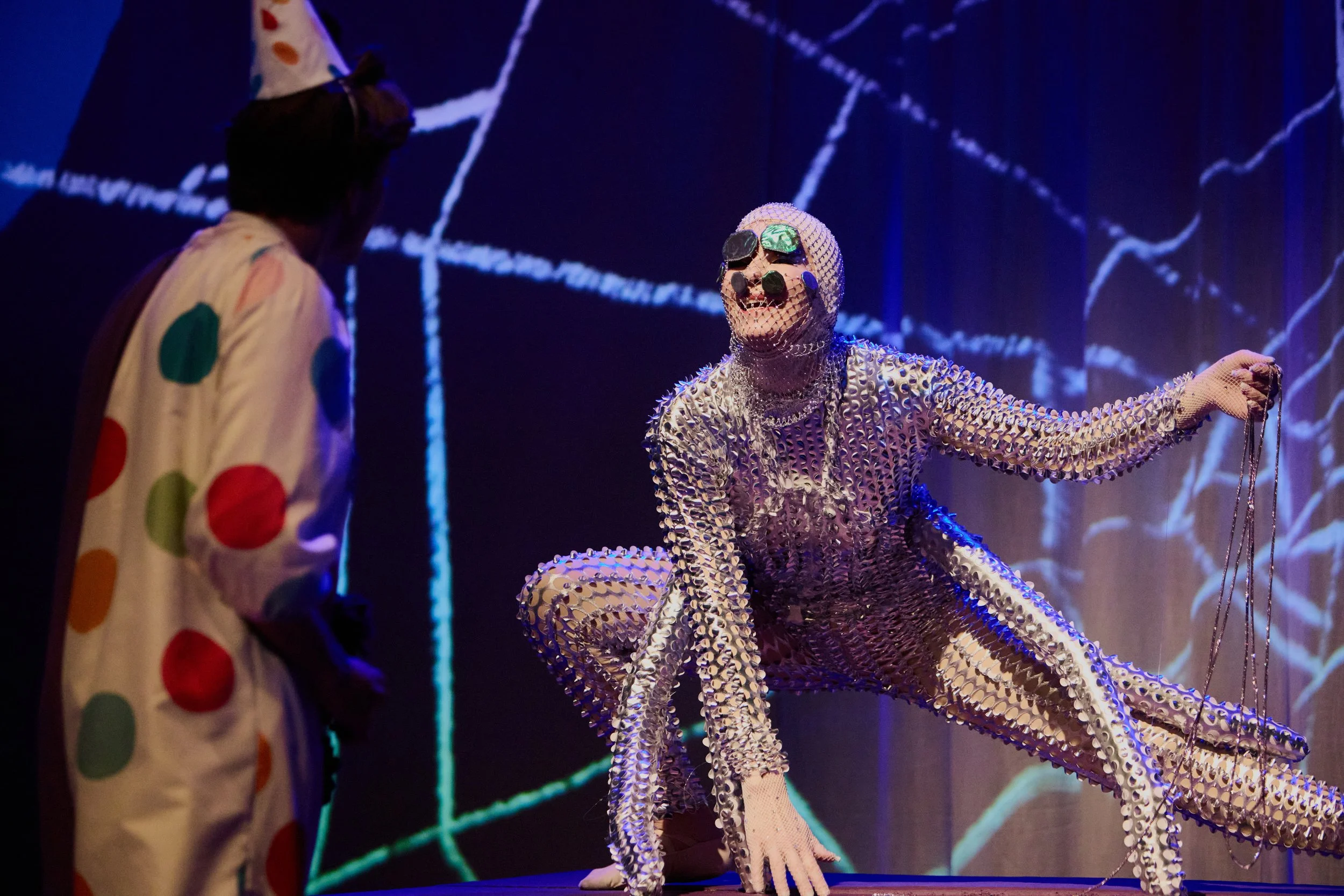
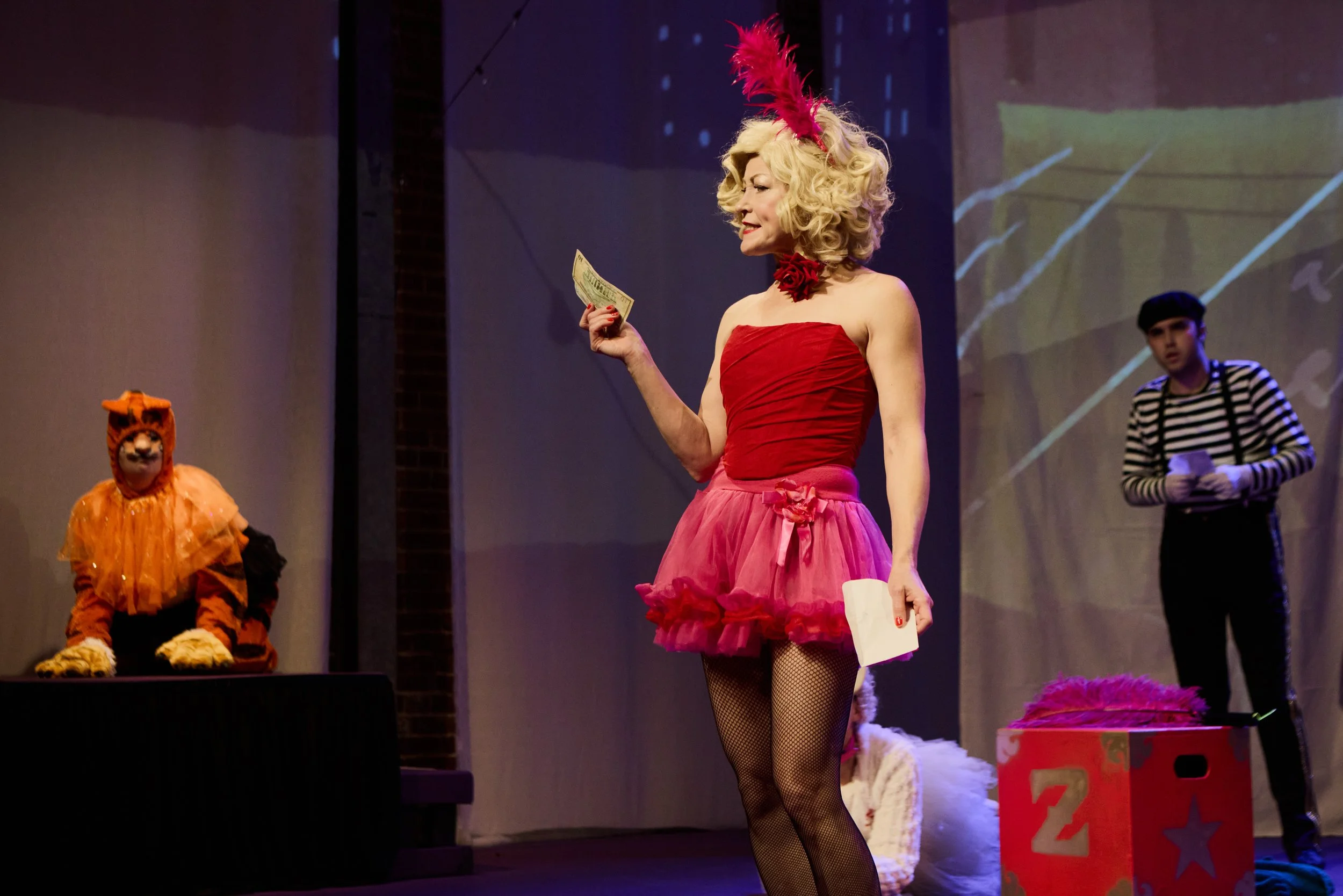
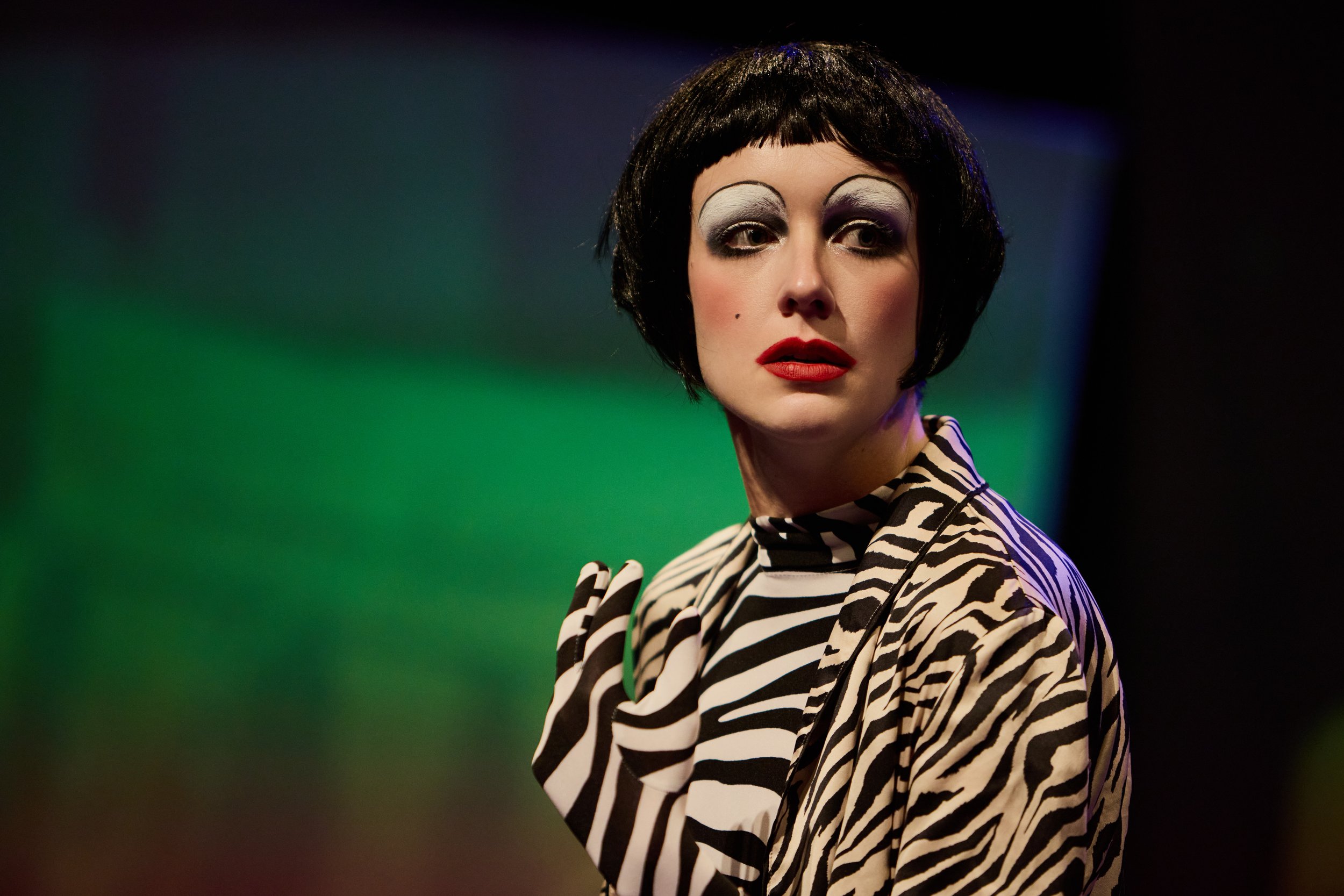
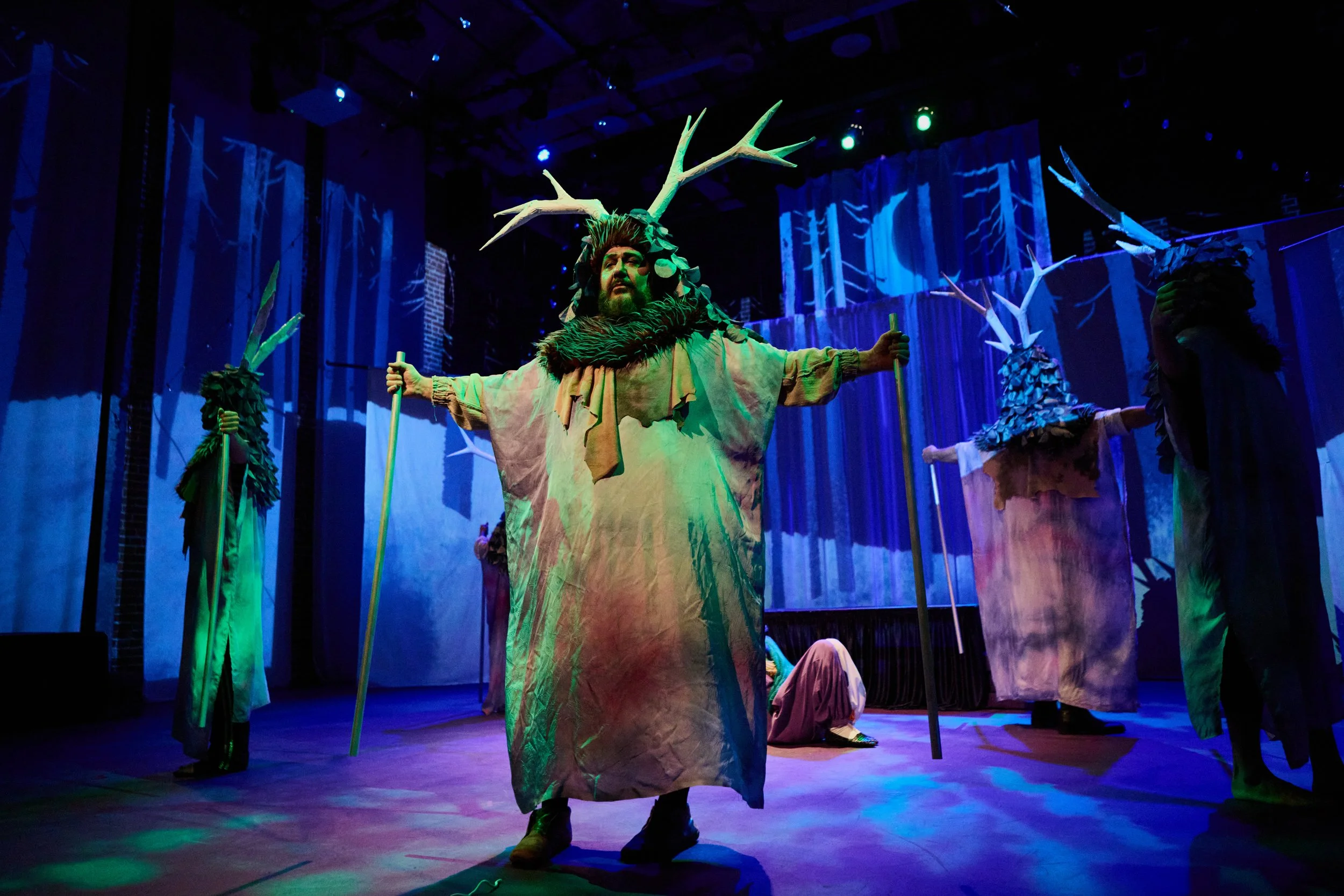
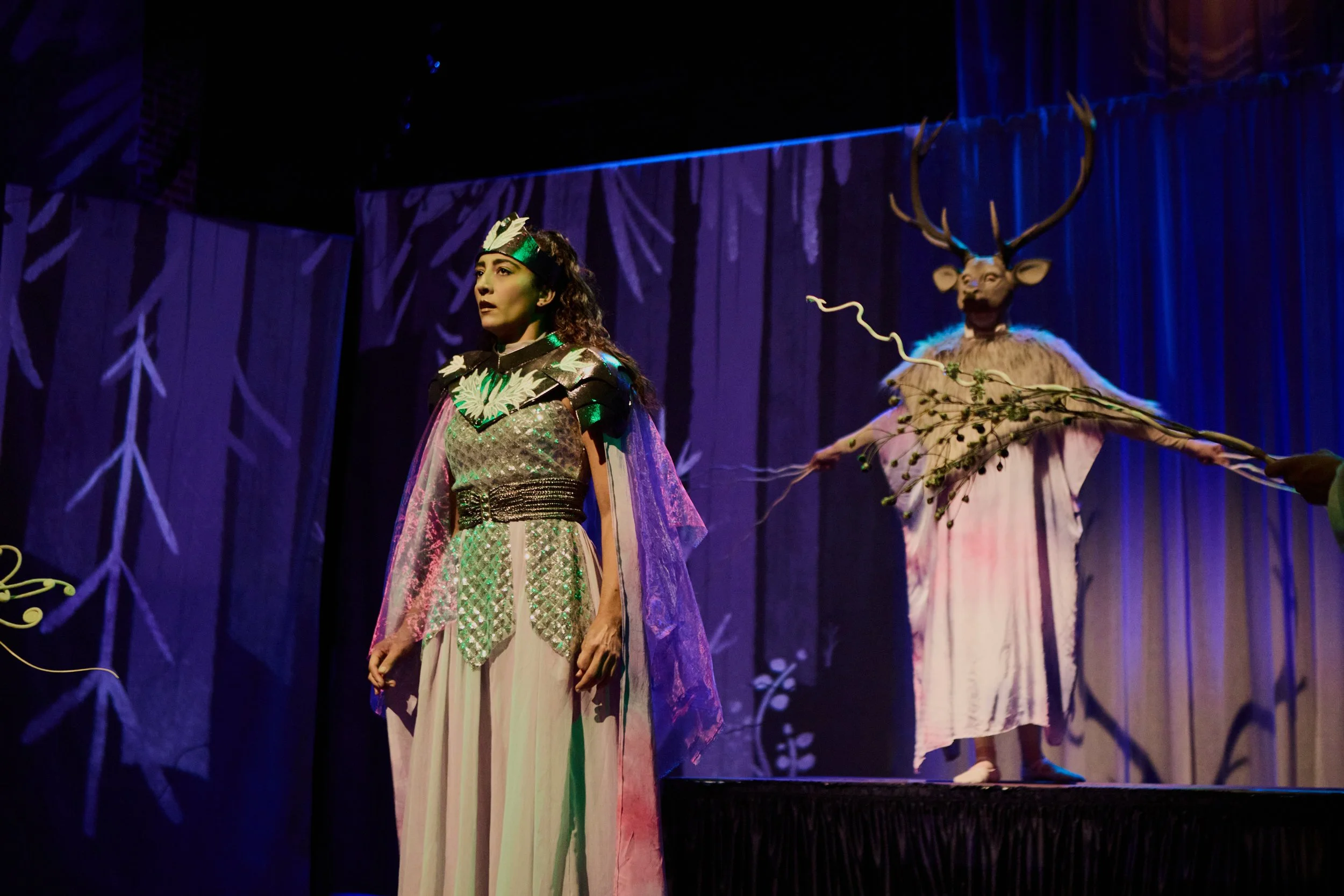
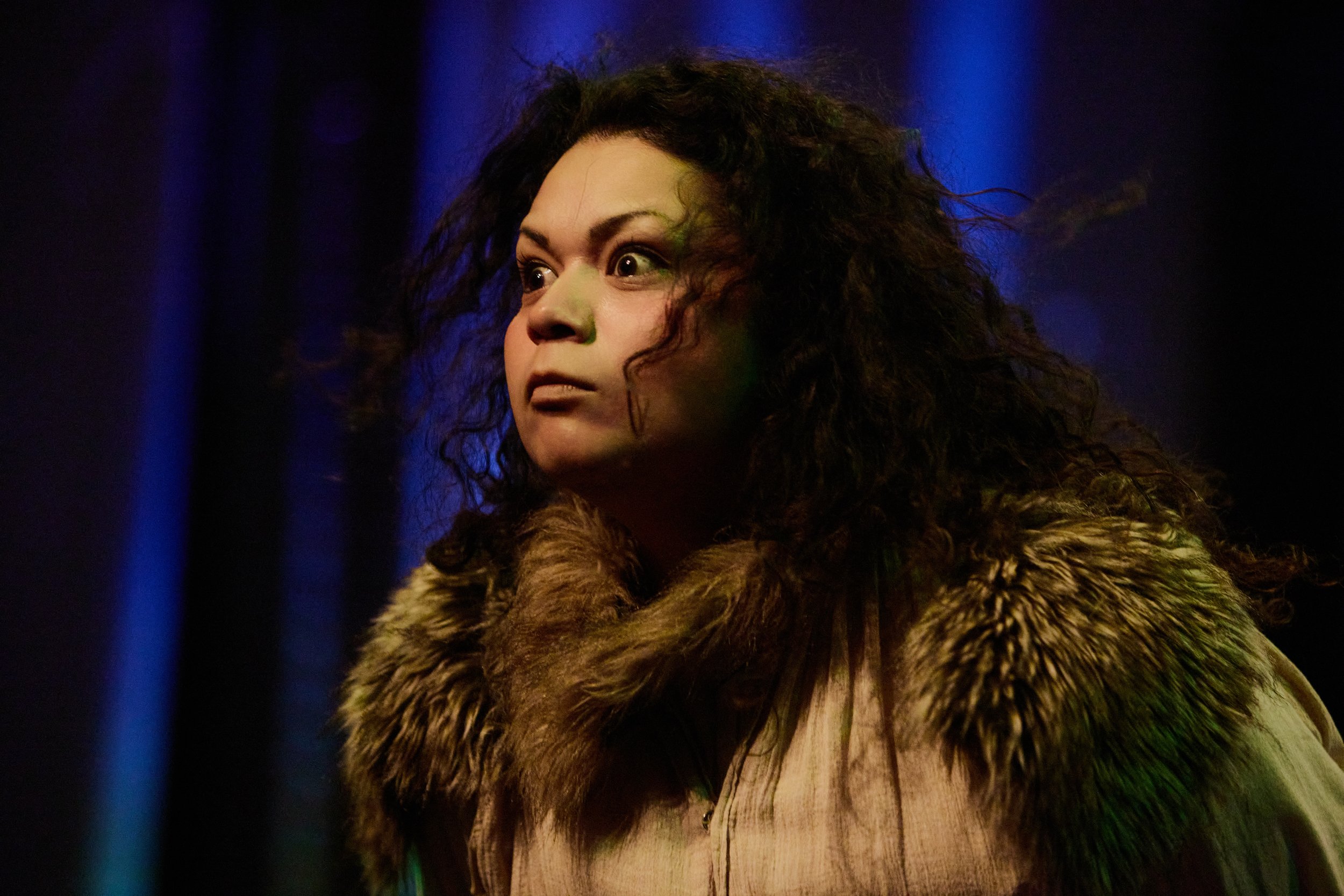
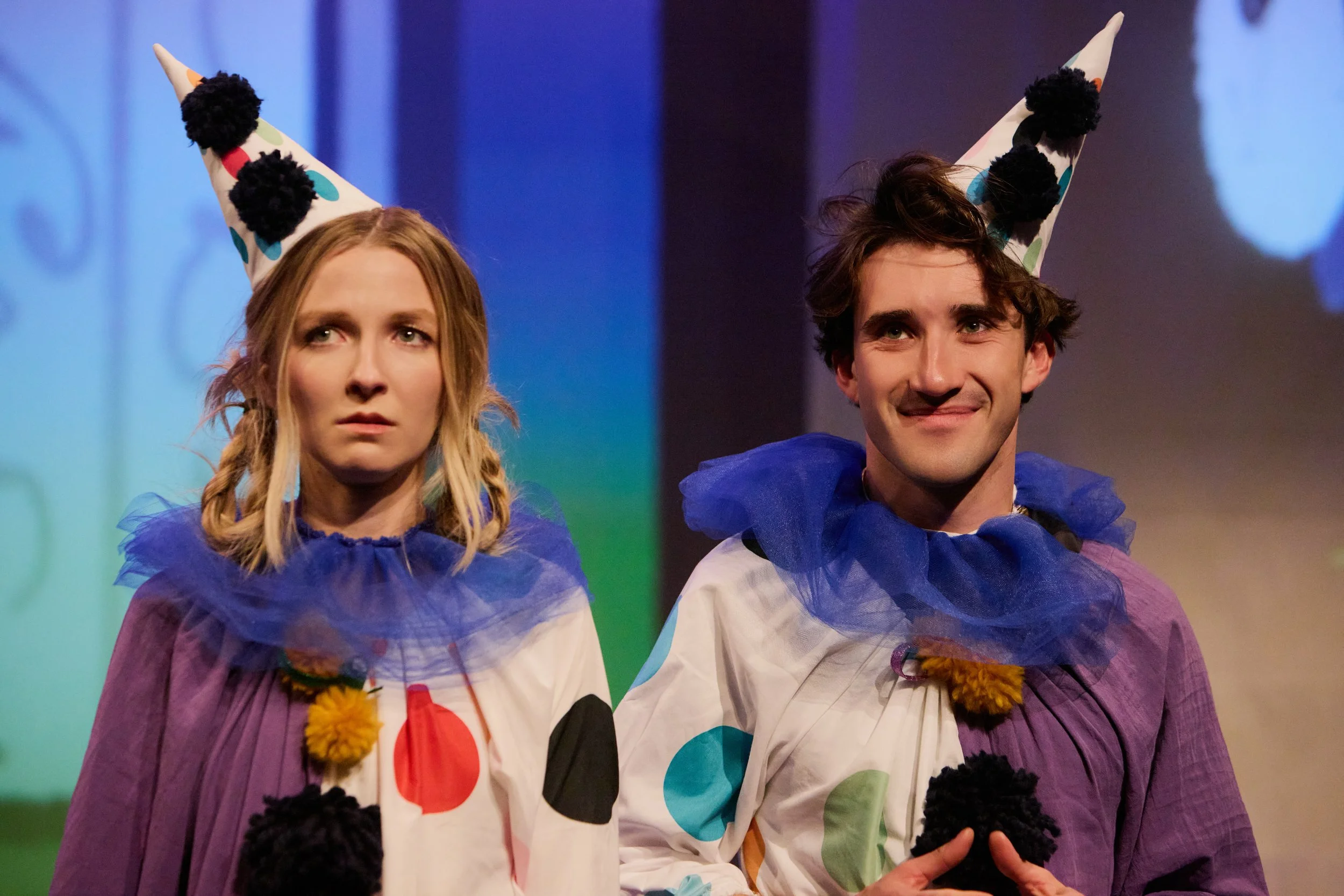
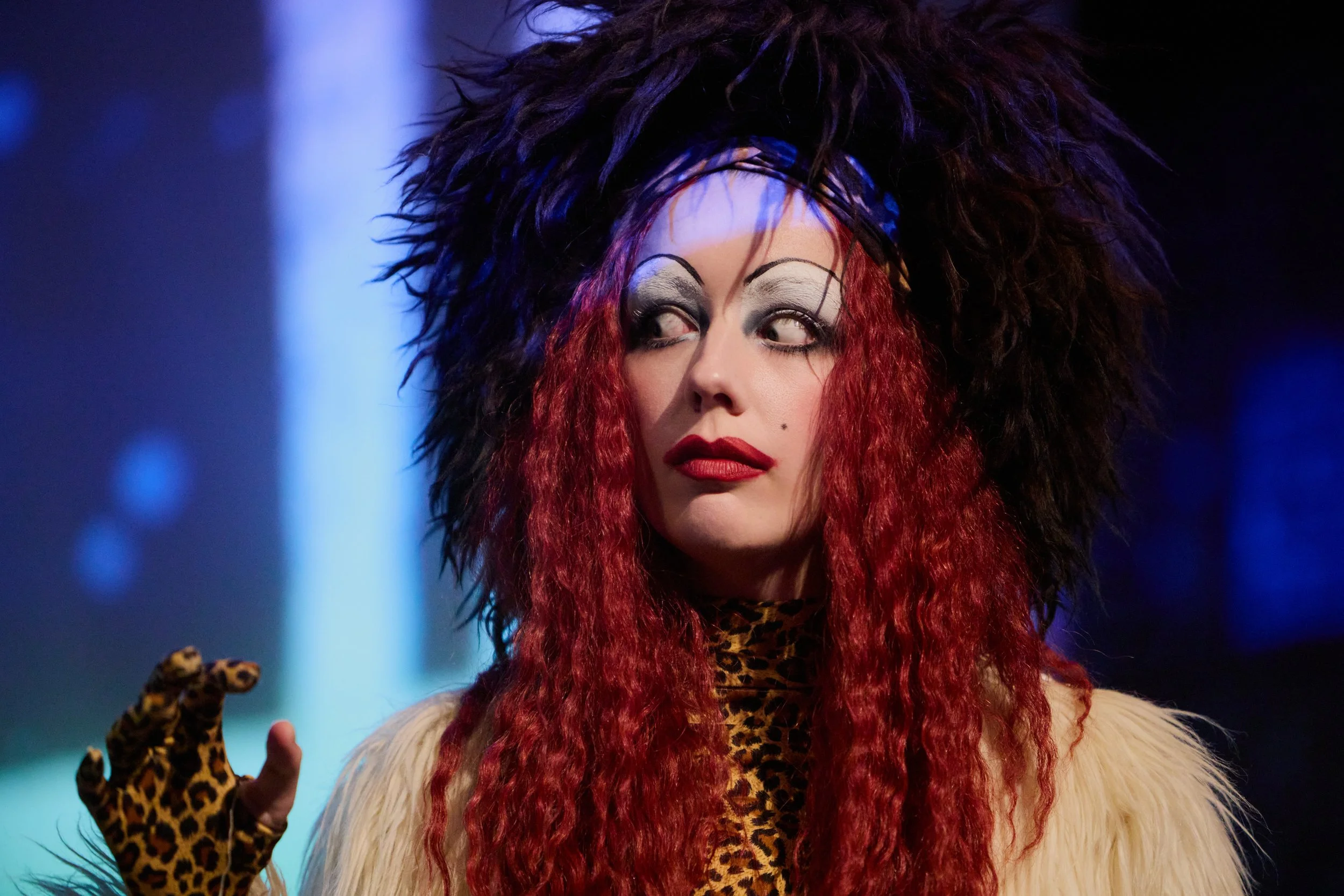
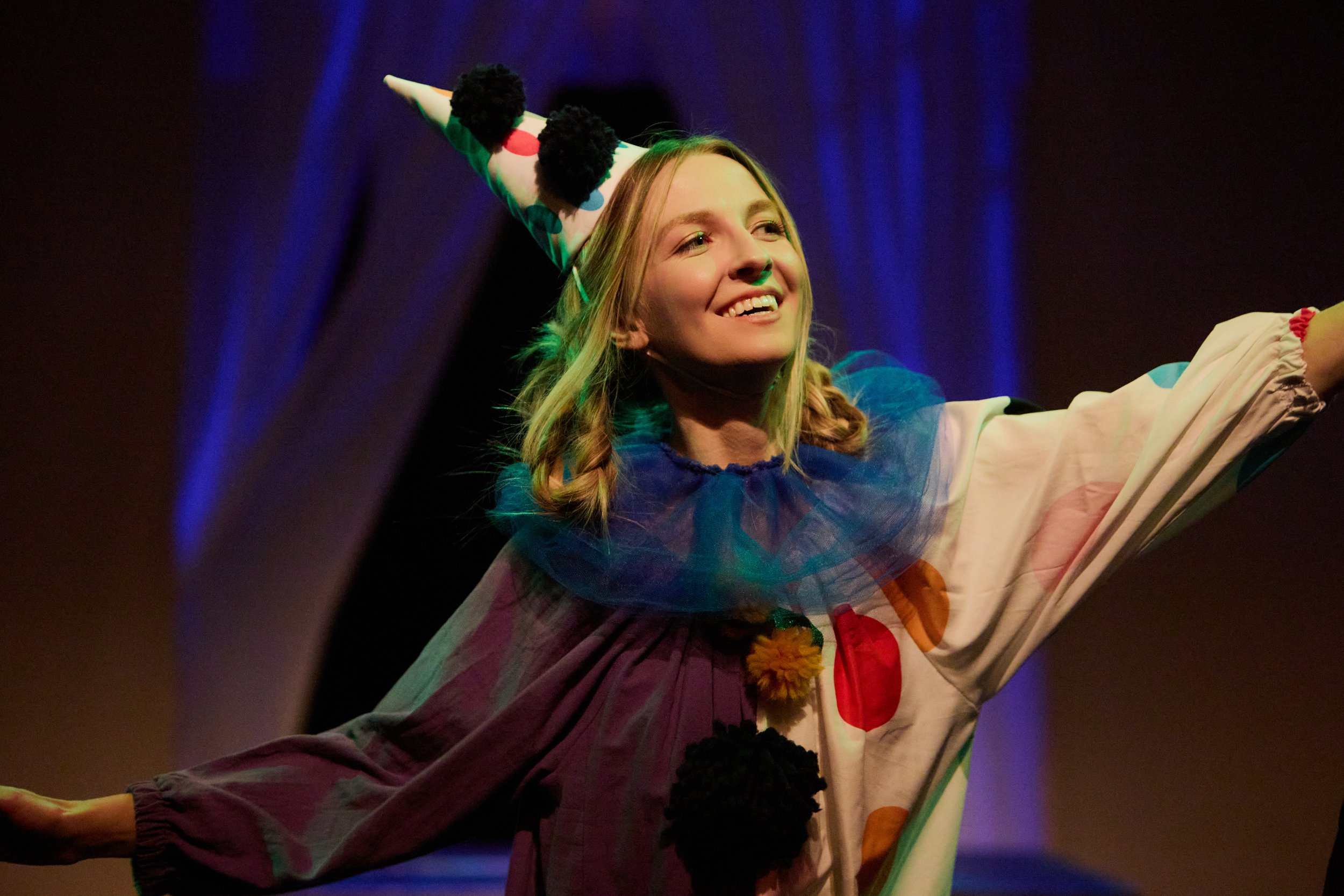
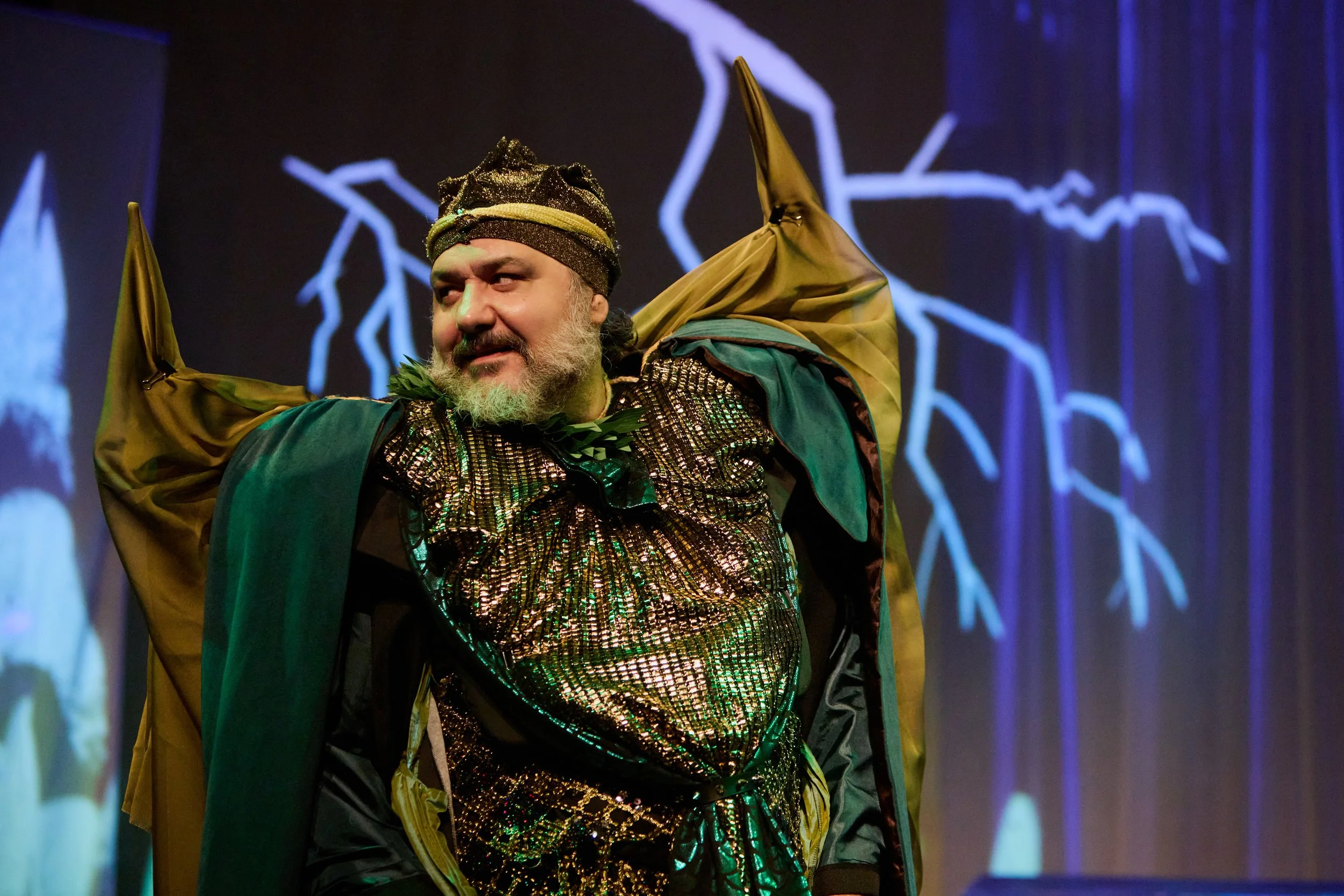
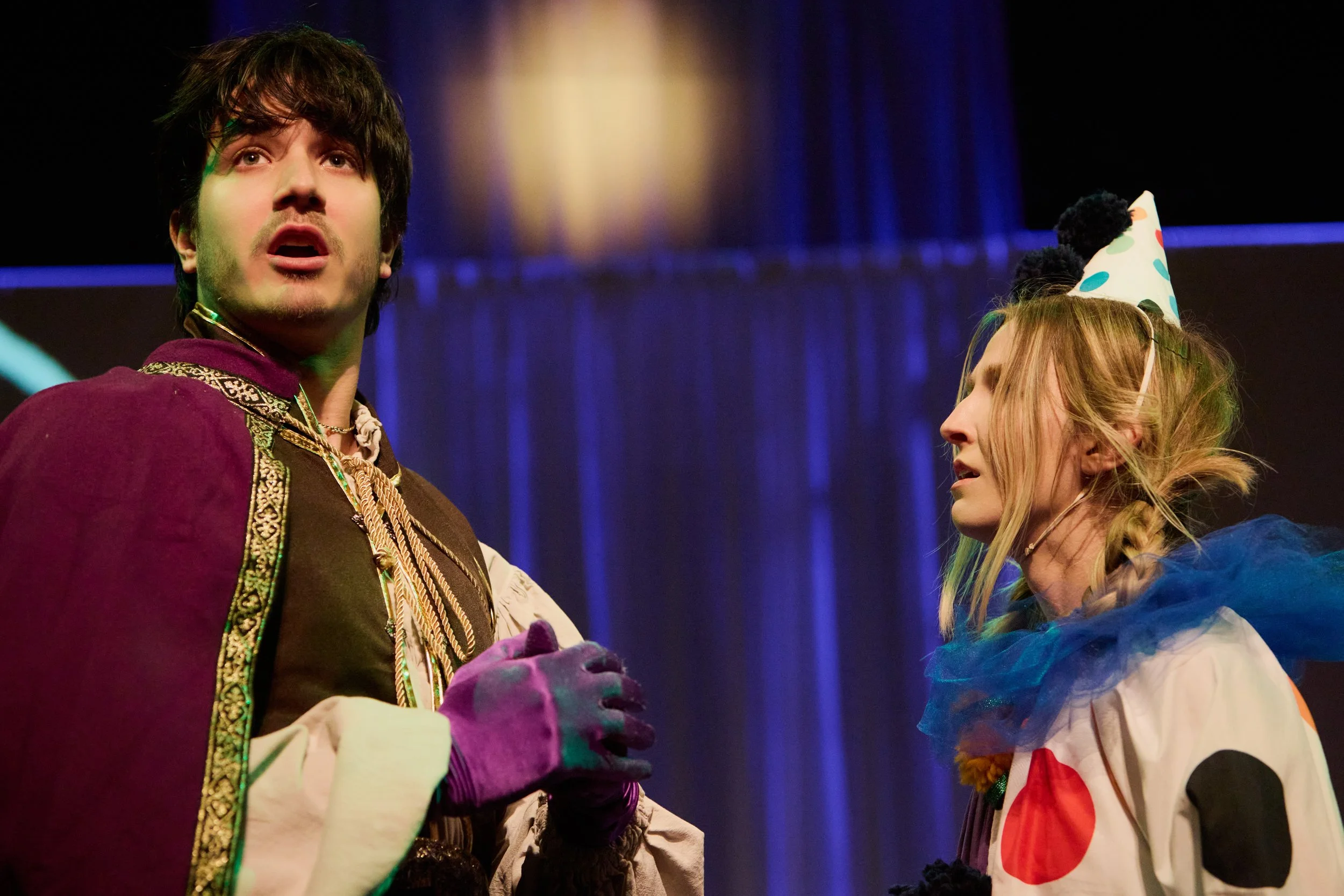
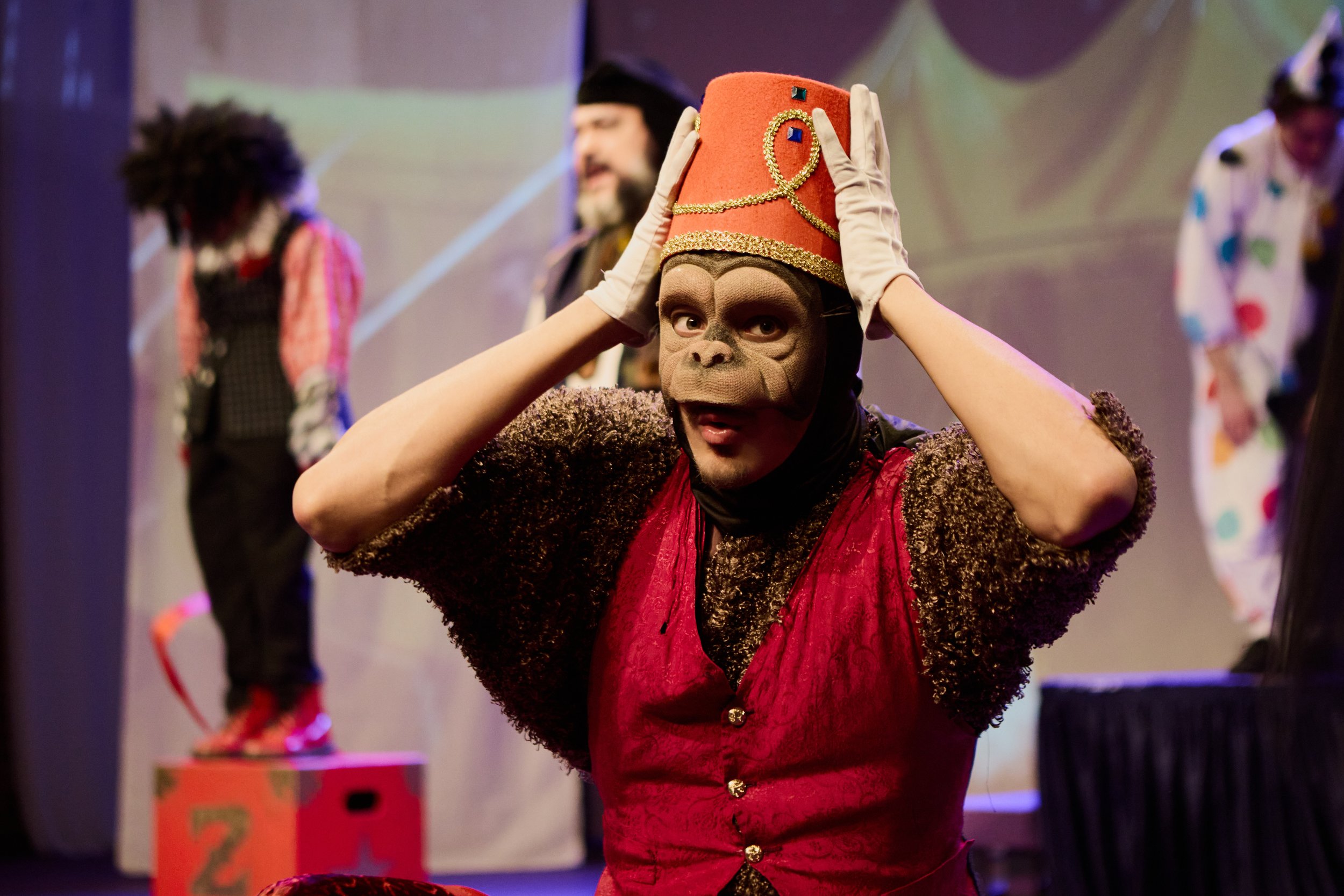
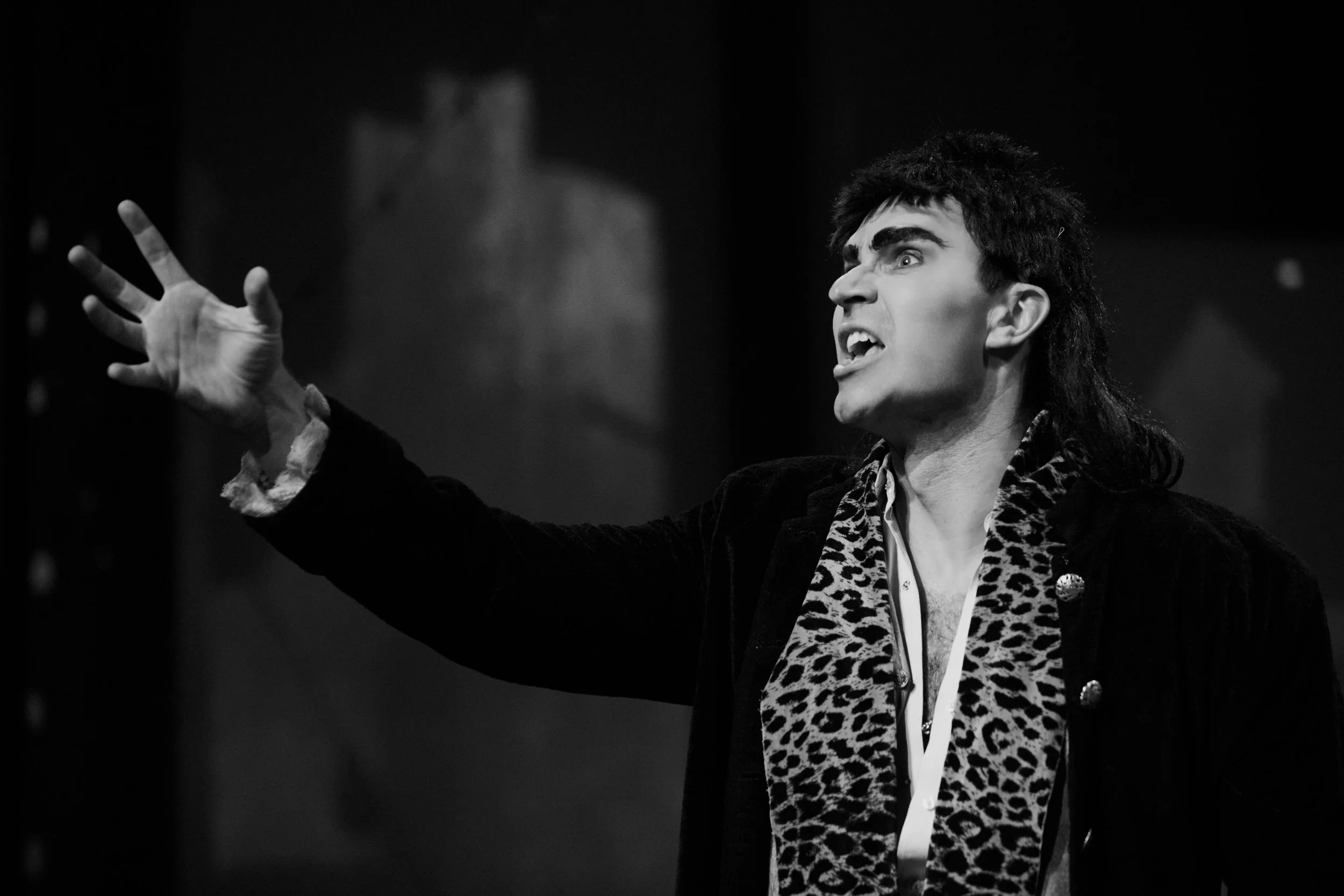
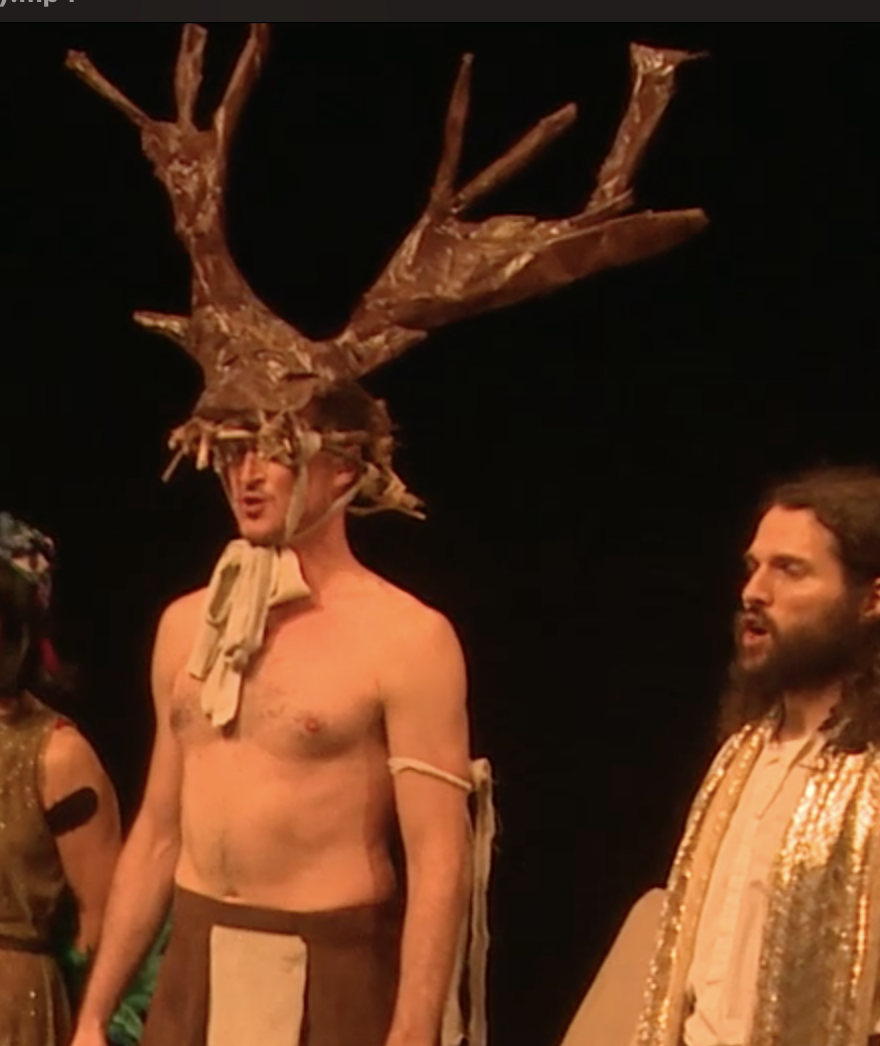
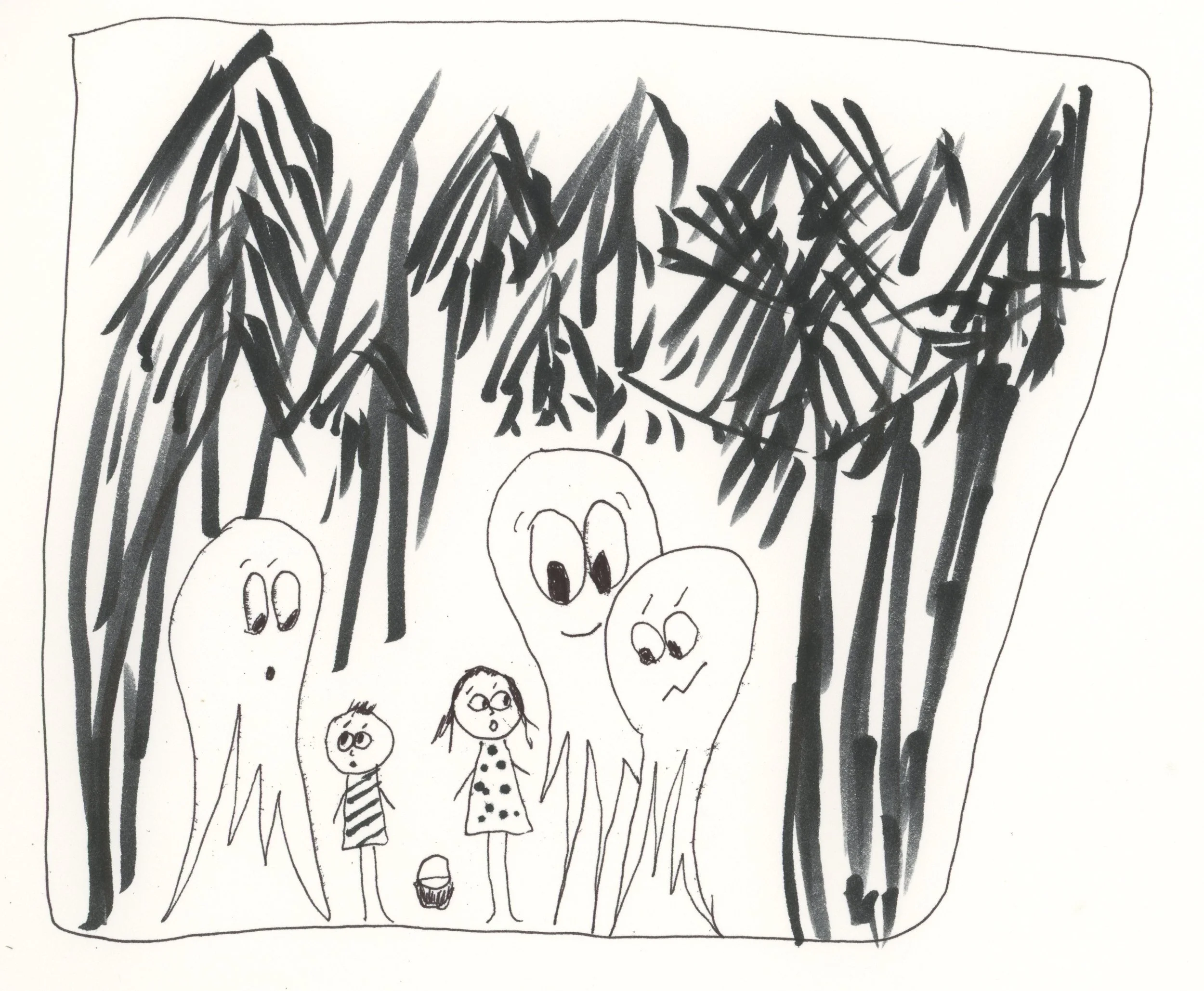
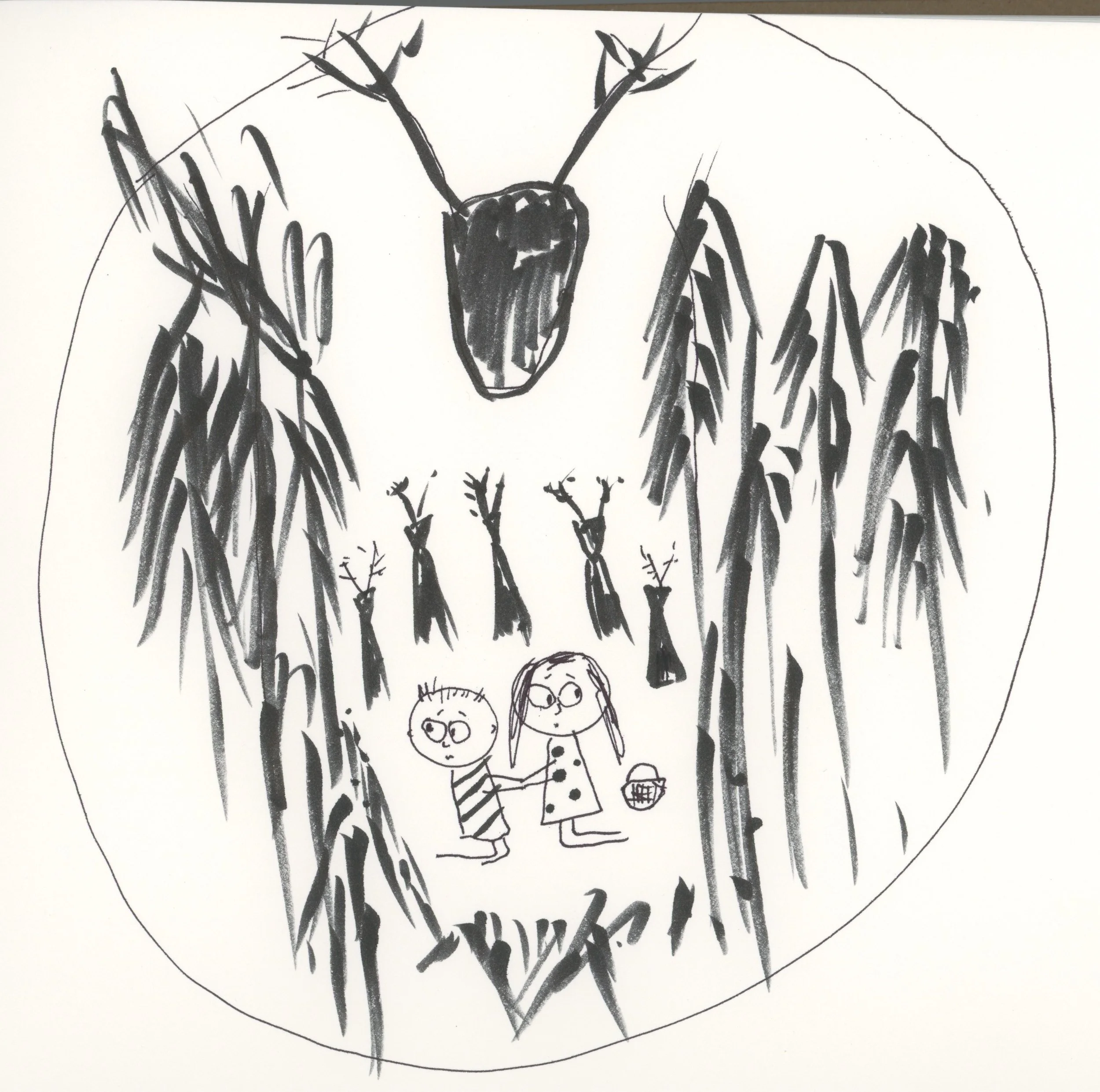
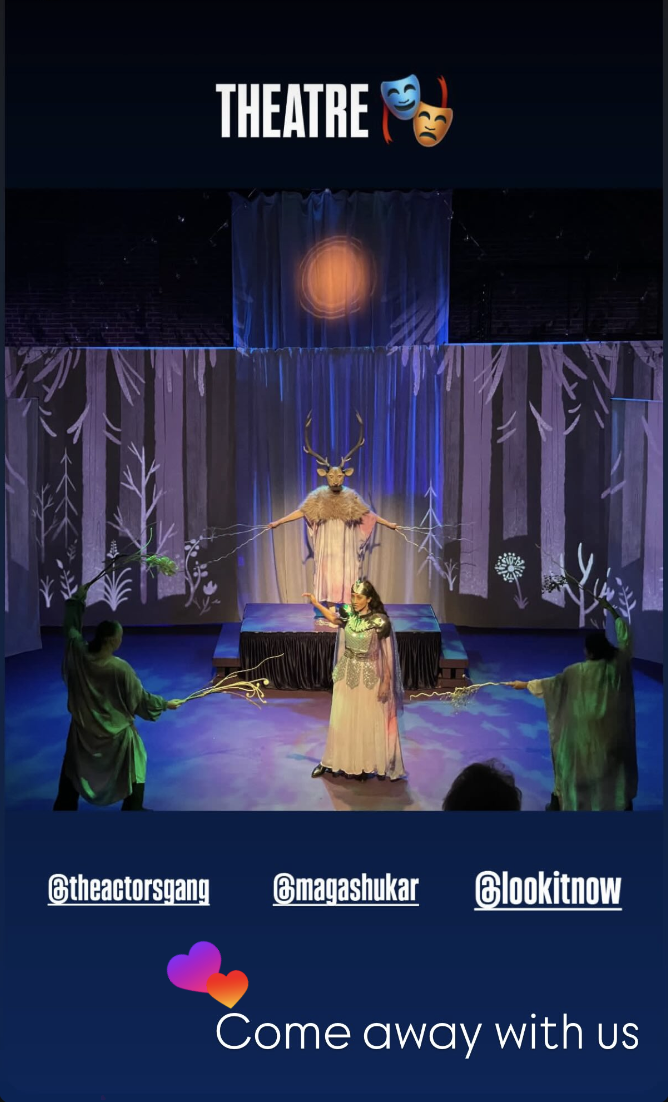
Below are my original drawings. The Bonkers, for example, had no defined shape or concept - I wanted to discover it with the actors and design team. Here, they are more amorphous, closer to Barbapapa or ghosts. One of the defining moments in the script to me was when the children fall asleep in the enchanted forest and are surrounded by a group of magical reindeer. It is a sacred moment that stops the train ride of humor and action and a version of this became the poster art, reimagined by Elif Sezgin. Any way to make the story and the characters feel tangible, and bring a shared vision to the creative team, is always helpful to me.

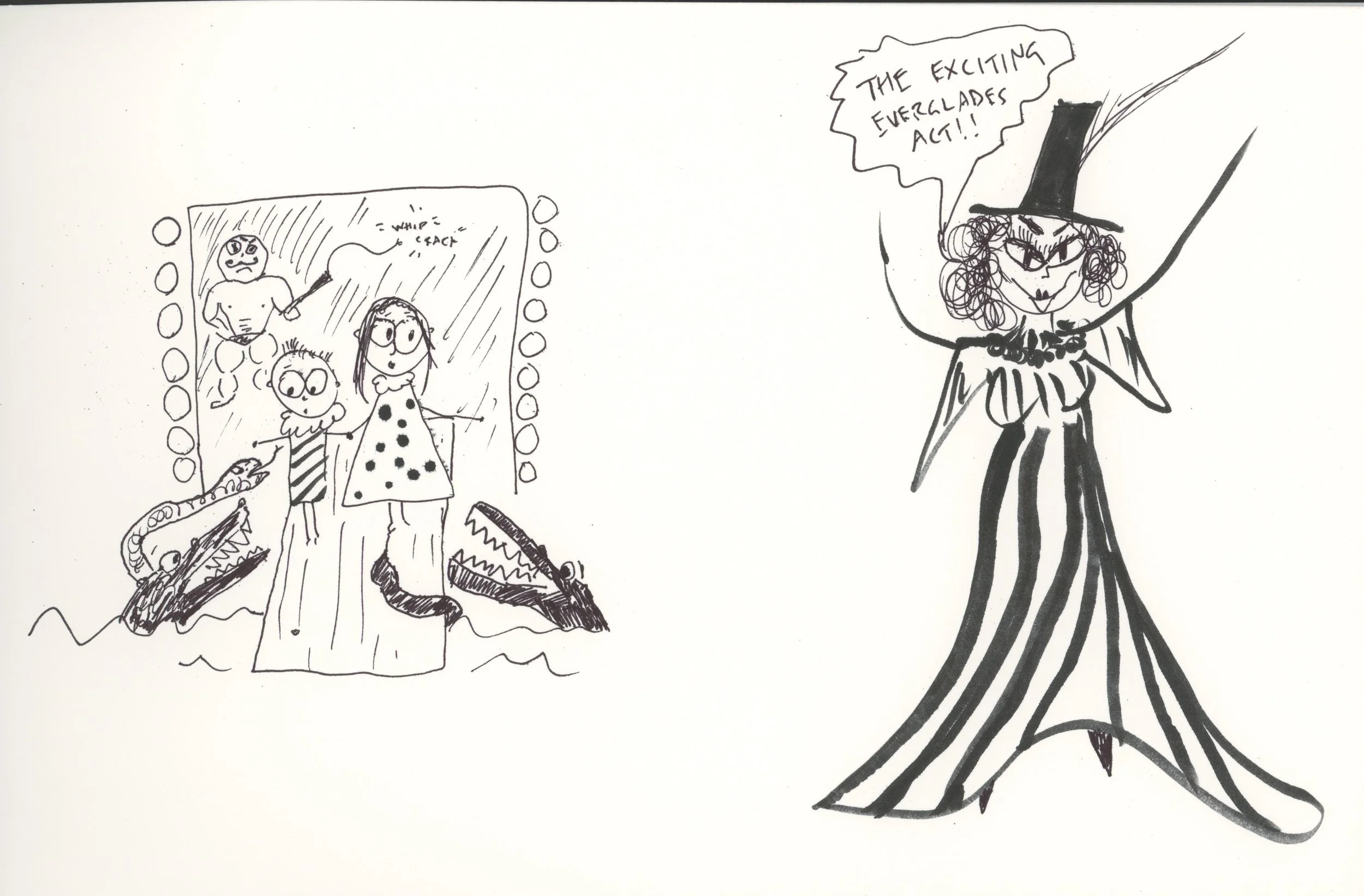
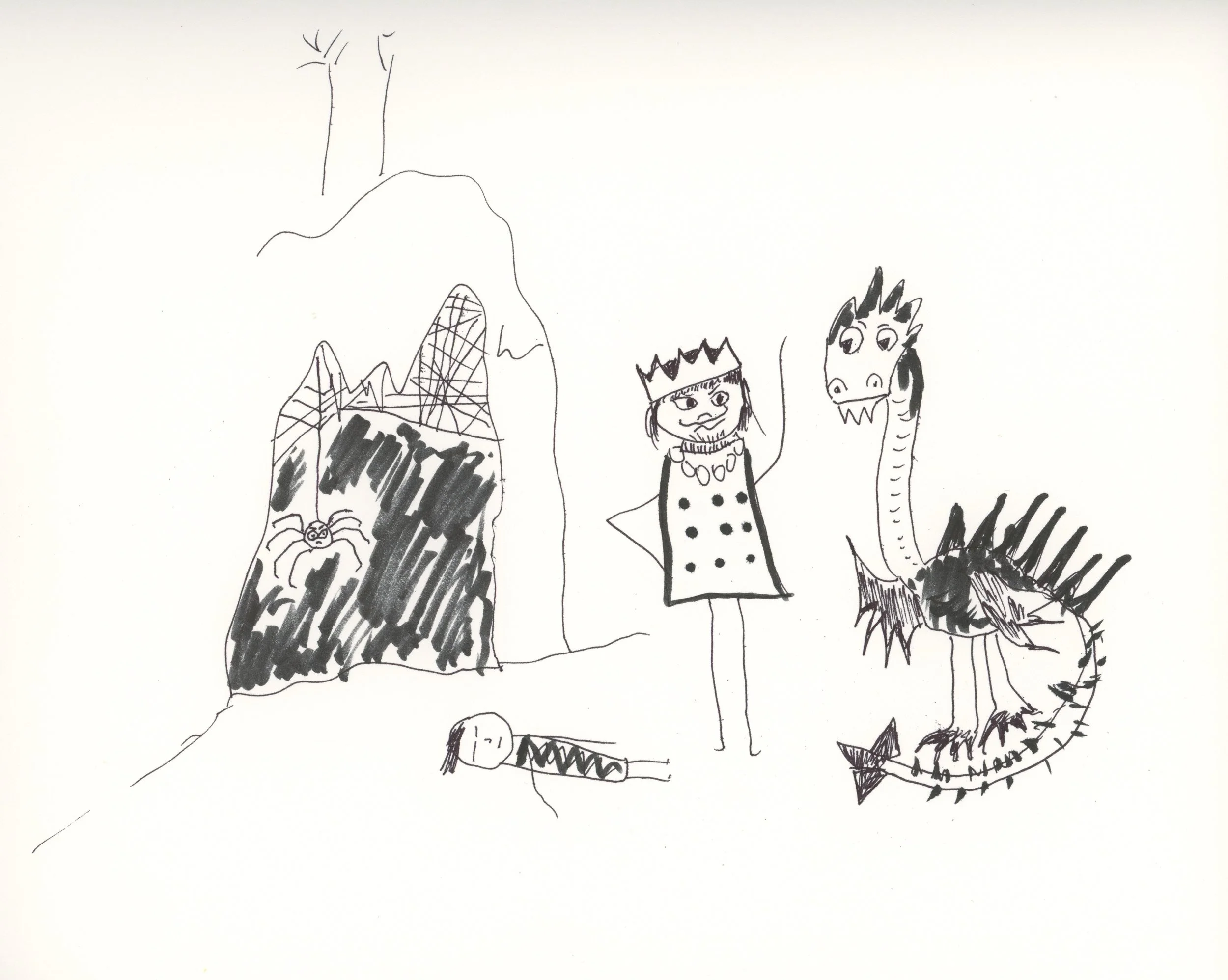

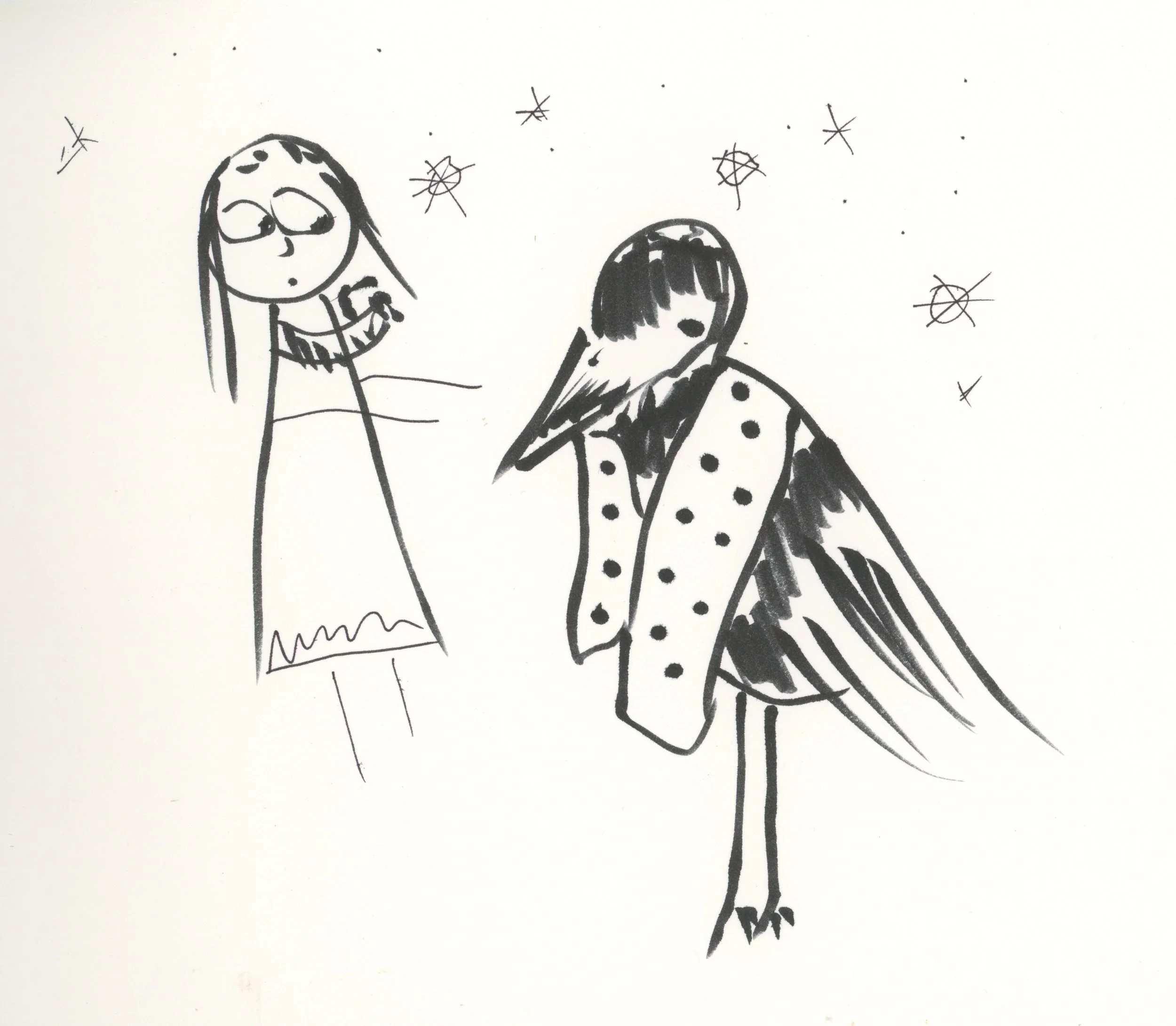
One of the first people to approach me about production design for Winter Kingdom was Patrick O’Connor, an incredibly talented cartoonist, illustrator, designer and associate company member at the Gang.
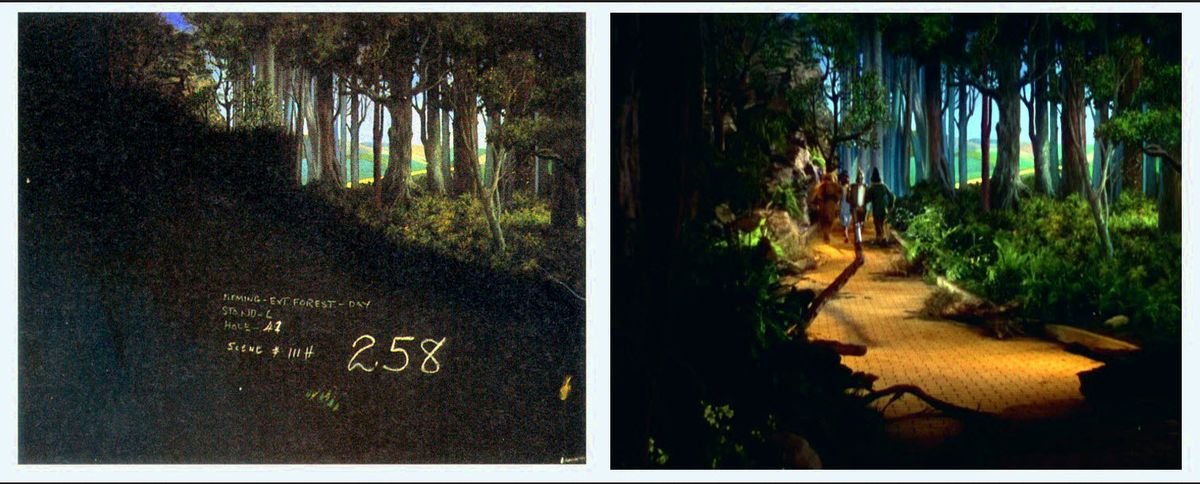
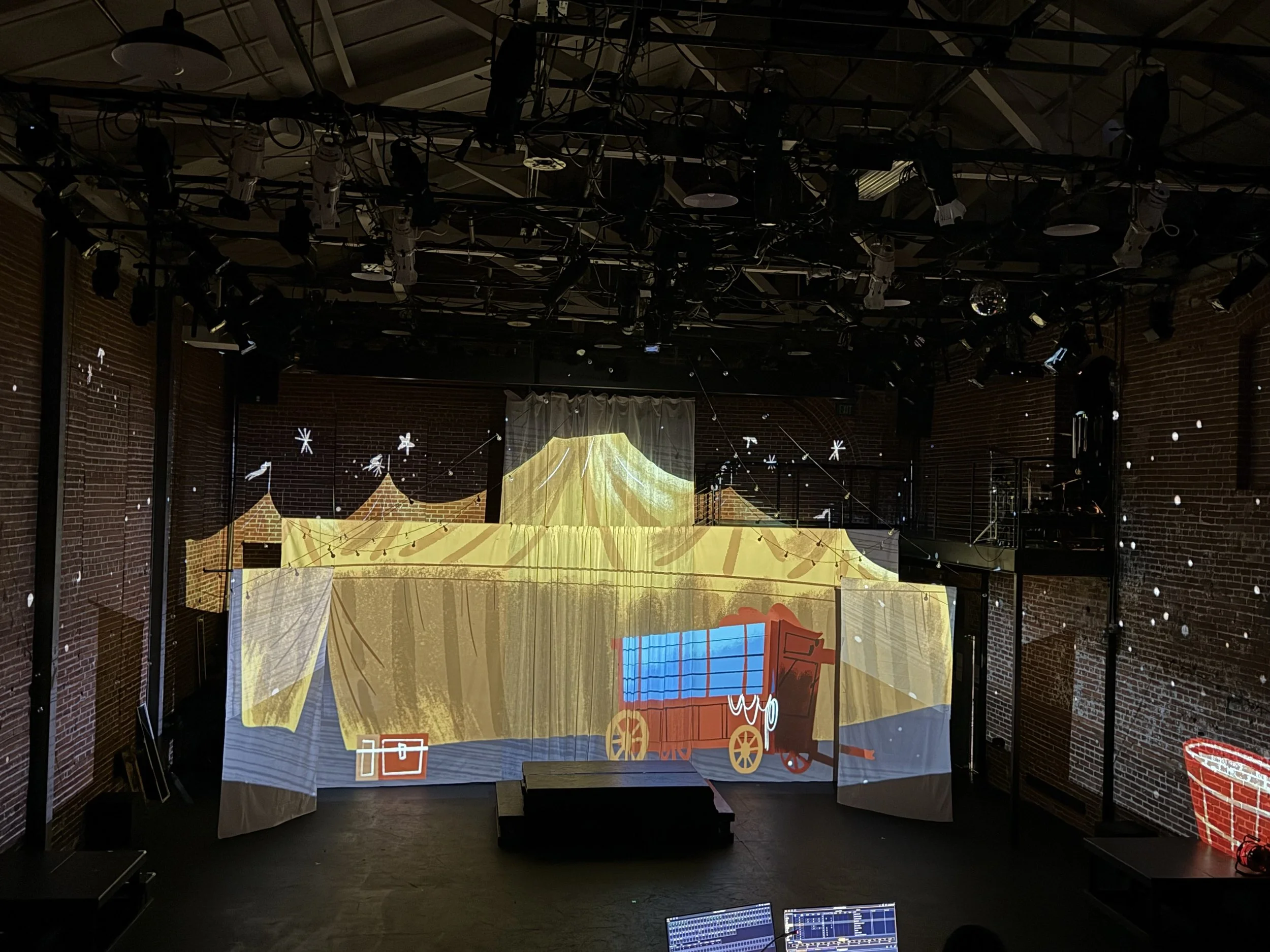
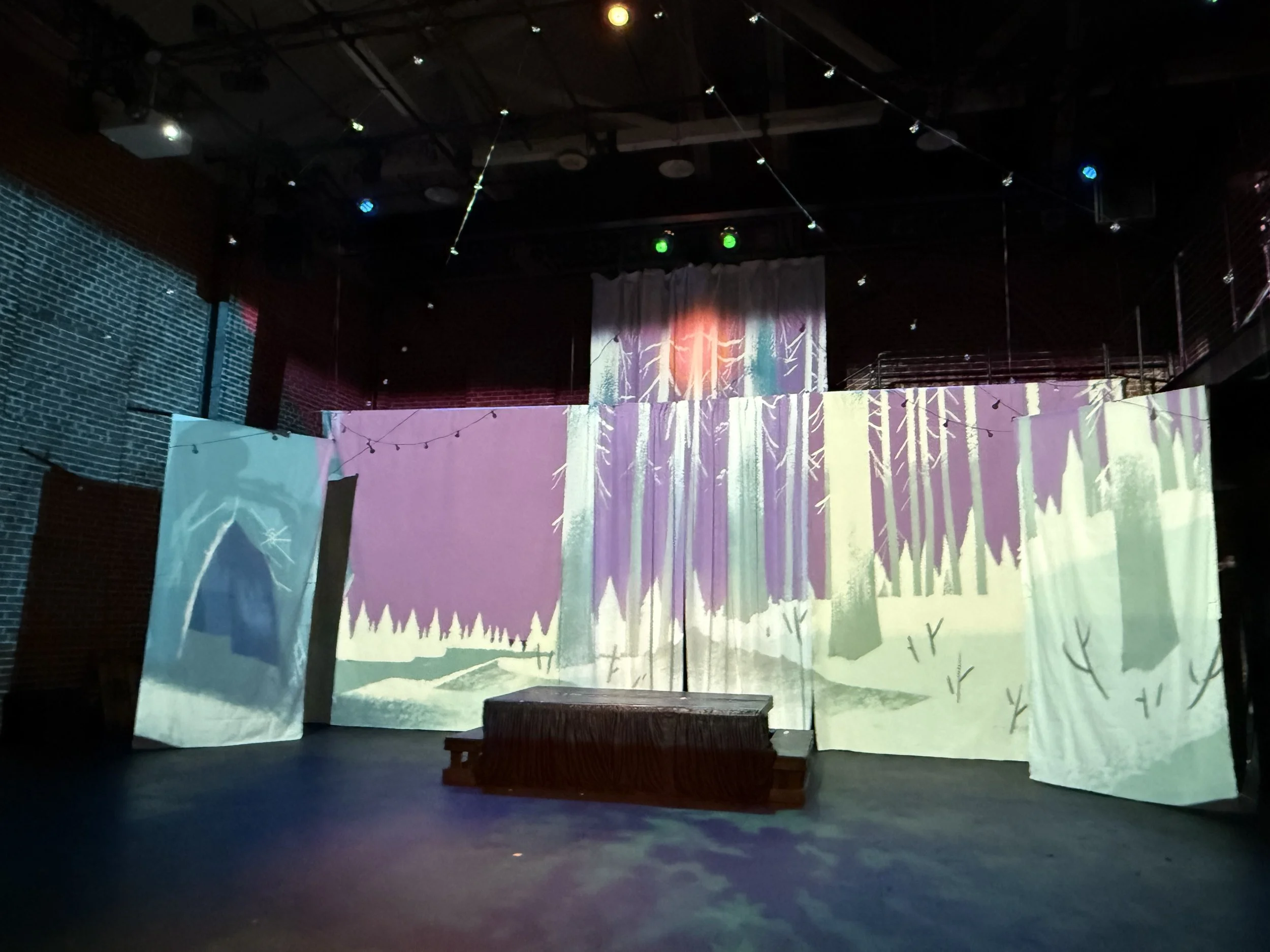
He and I shared our love for the use of matte paintings in classic Hollywood films and for Mary Blair, the pioneering midcentury Disney concept artist, colorist and illustrator. Changing so many dramatic locations - from the attic of a house, to the house interior, inside a circus tent, the wagons outside the circus tent, many areas within an enchanted forest - we decided with the technical director, Cihan Sahin, that the best approach was to use white drapes along the back and sides of the stage and even along the theater walls so as to create an immersive effect with projected illustrations.
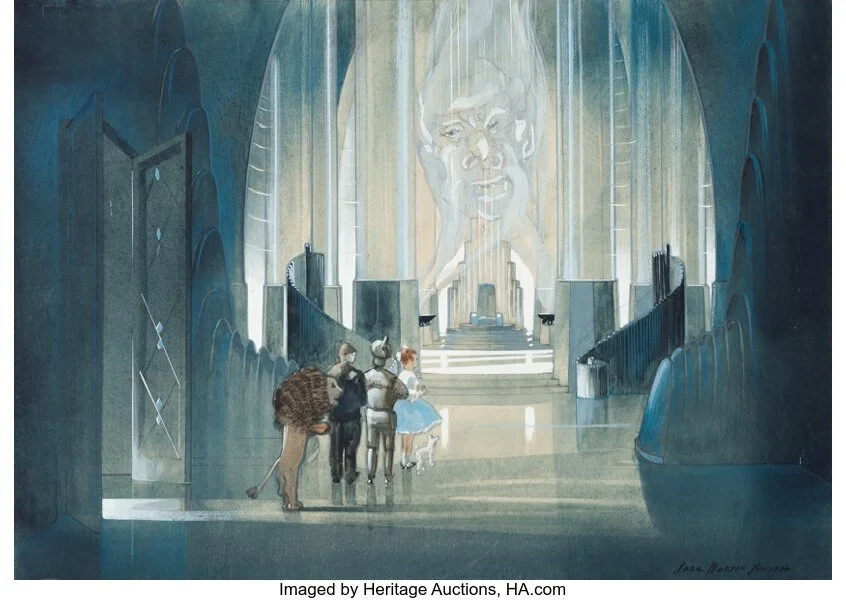
Animated backgrounds in theater always bug me, nobody ever seems to know when to stop fiddling, which distracts from the actors. Our goal was to create something seamless, like the matte paintings in The Wizard of Oz, which work with the costumes and performances to make the fantasy seem tangible. Patrick did an incredible job, designing these backgrounds in full and then re-drawing them in pieces to be used in Qlab to fit each panel of the scenery.
Below: background illustrations for Children of the Winter Kingdom by Patrick O’Connor.
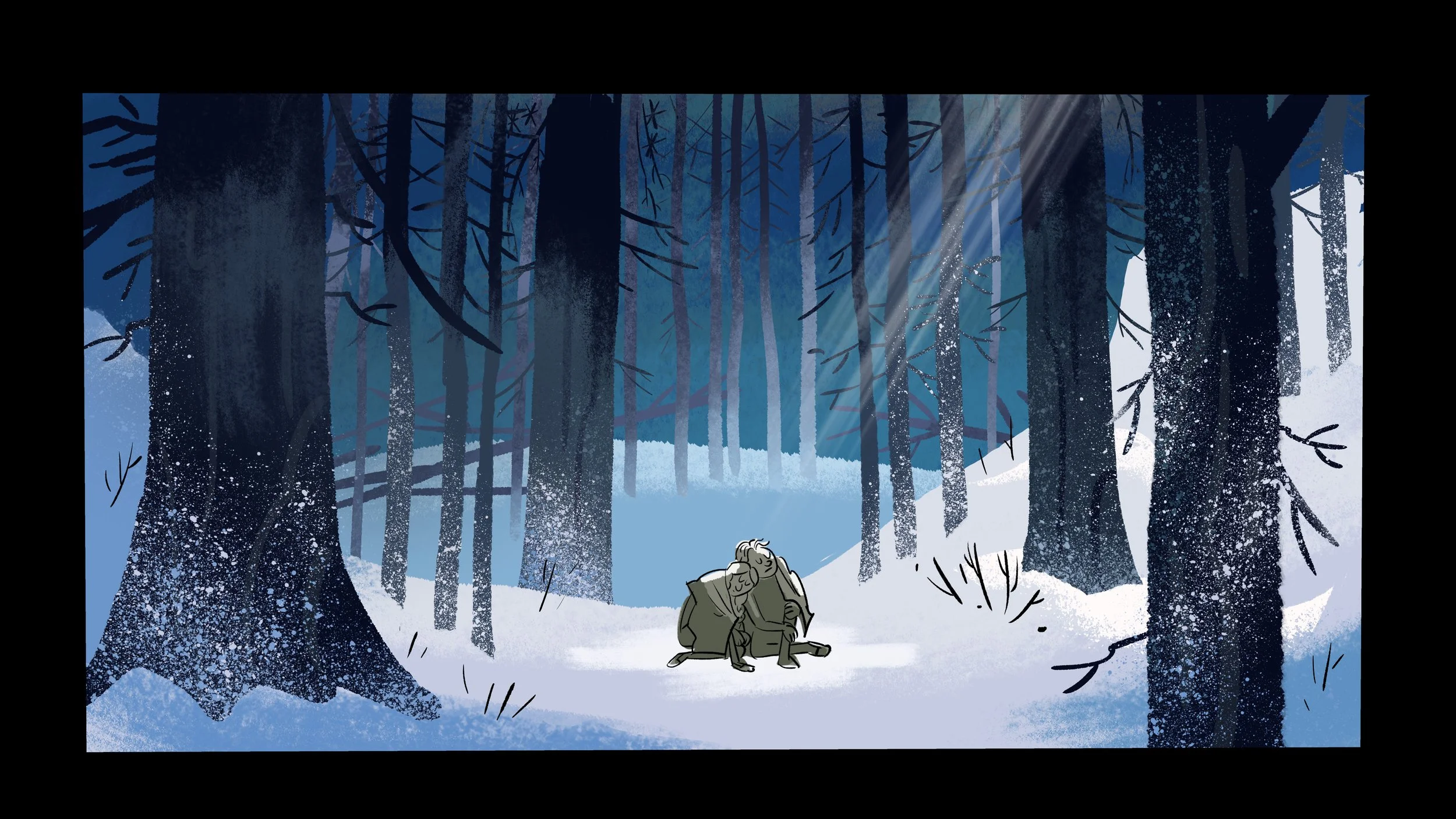
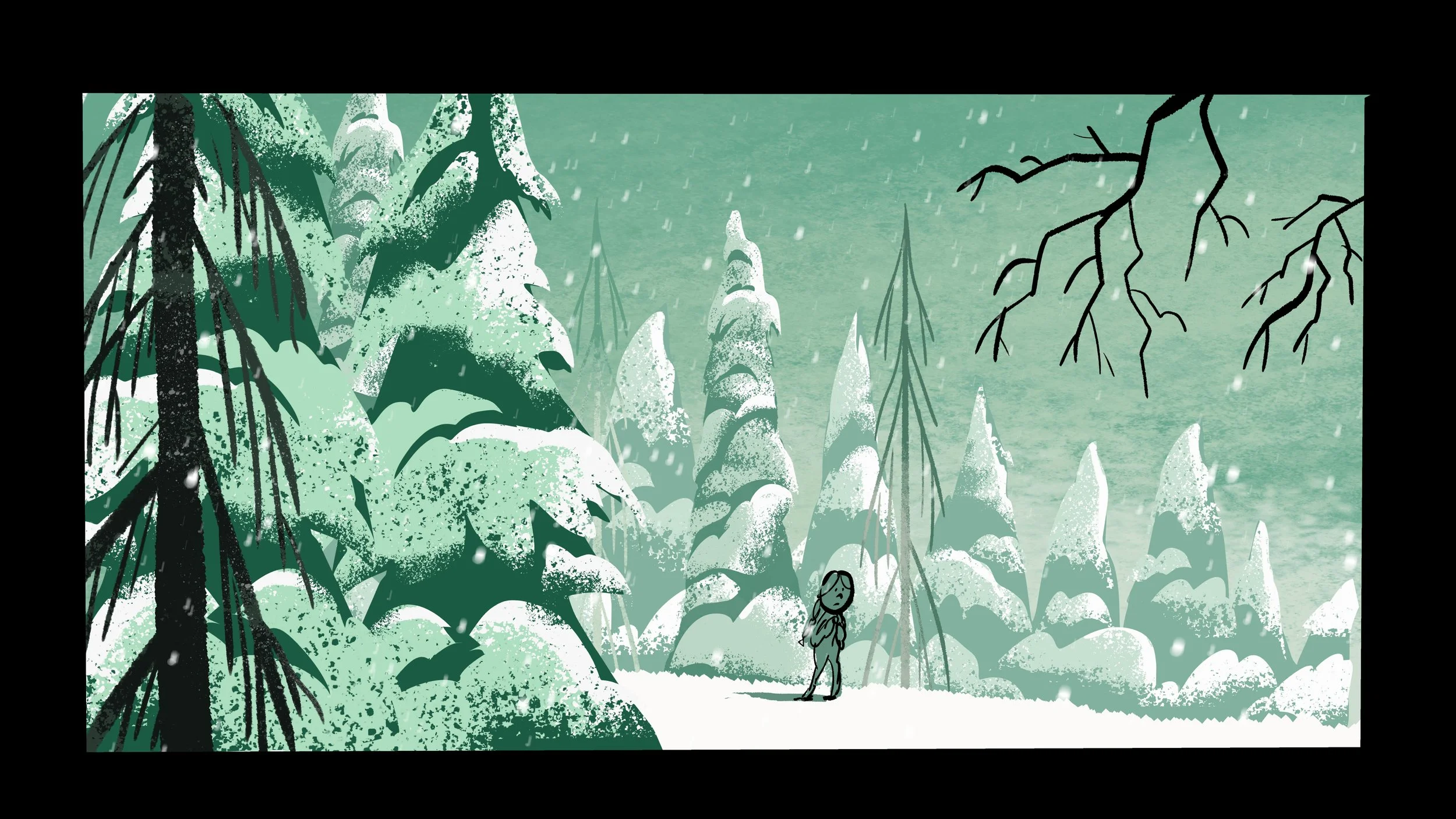
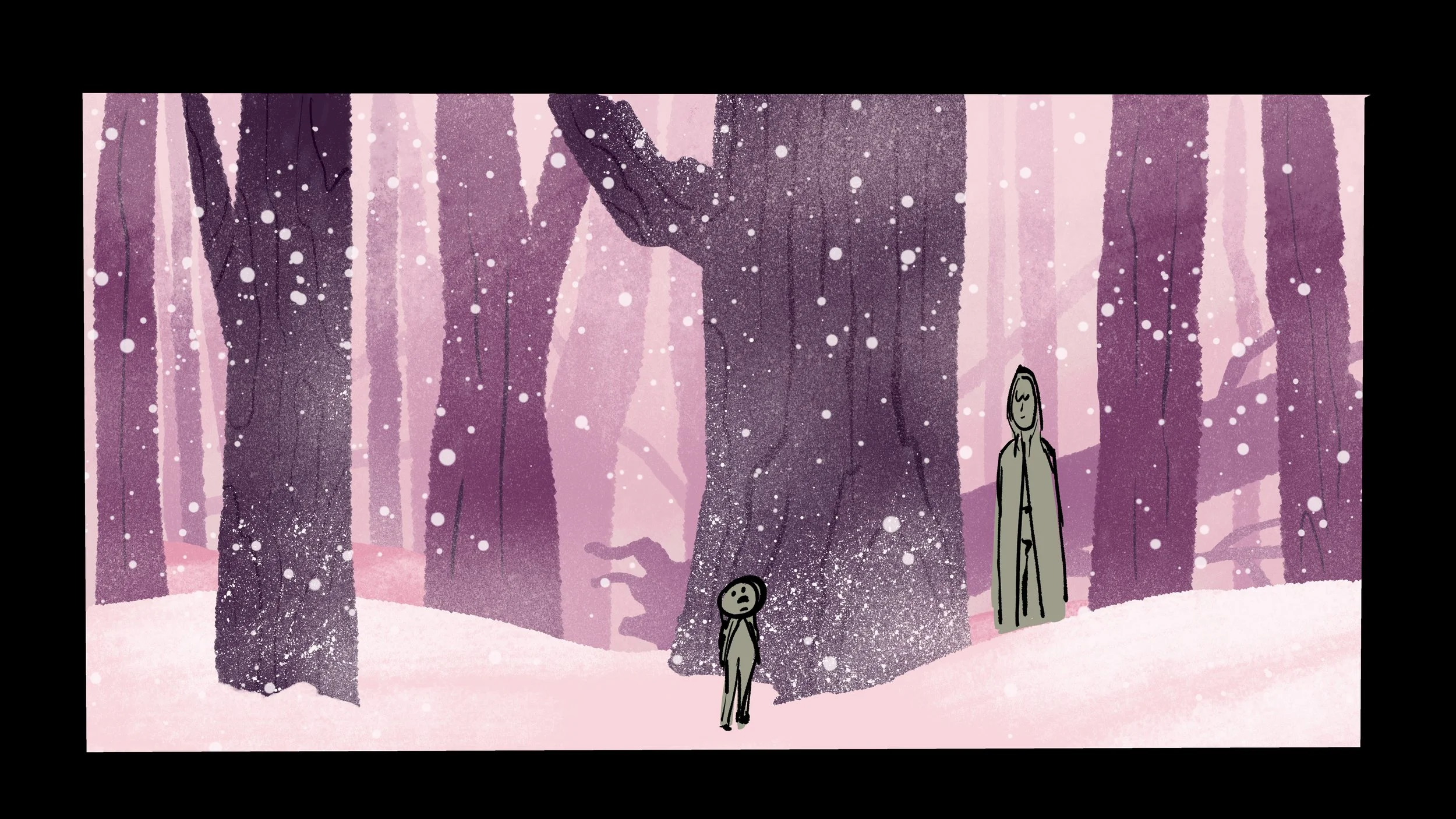
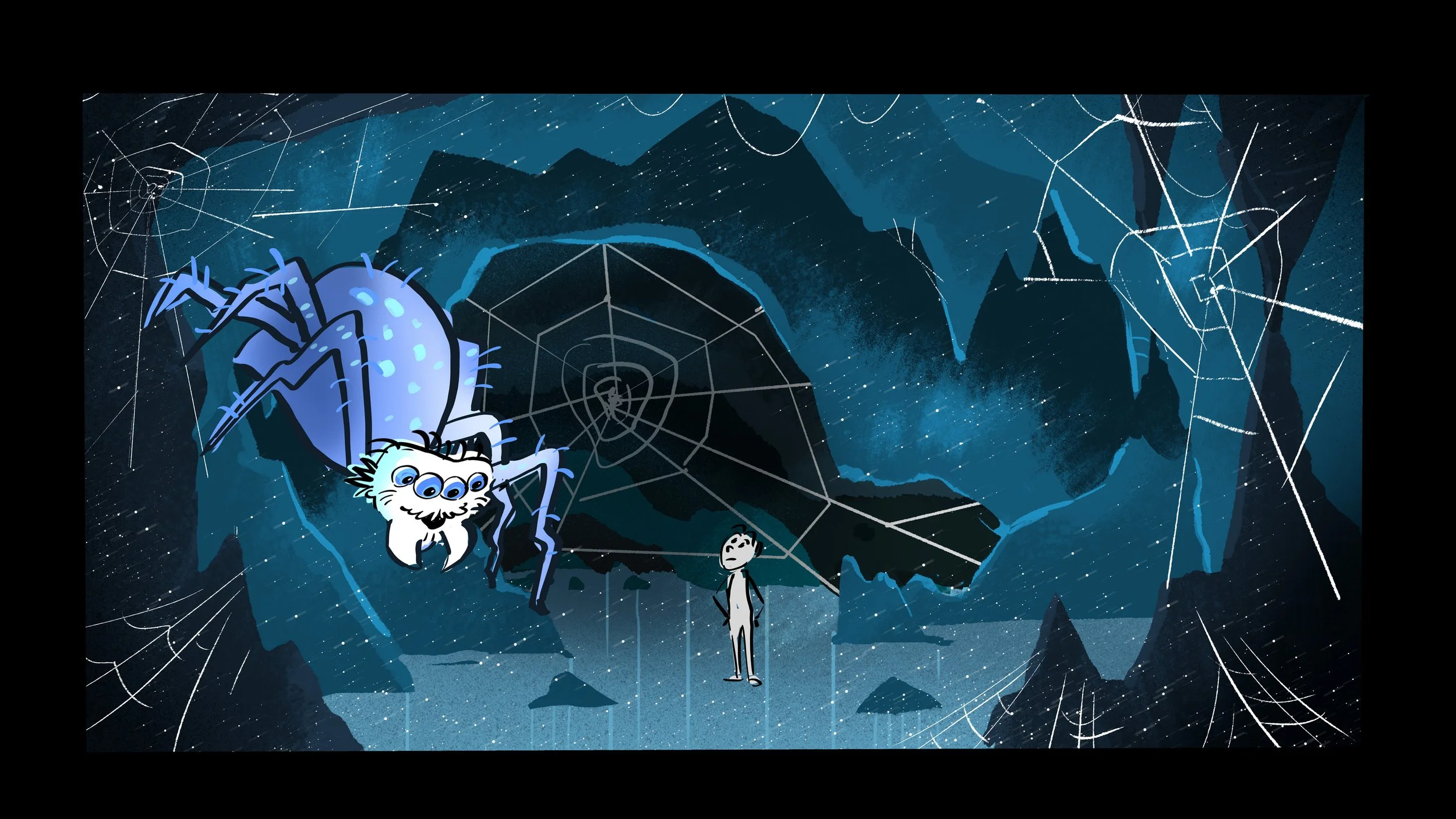
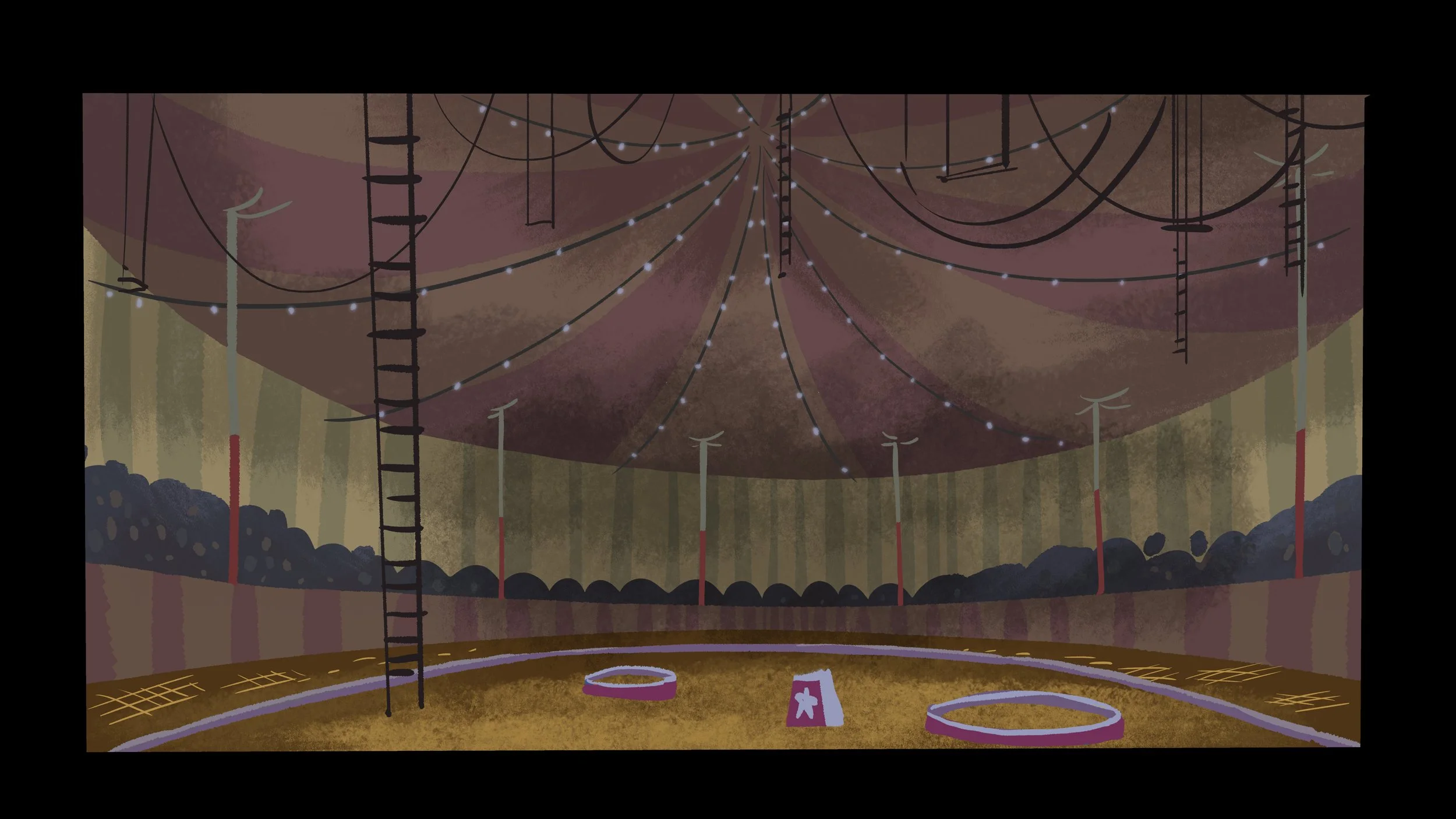



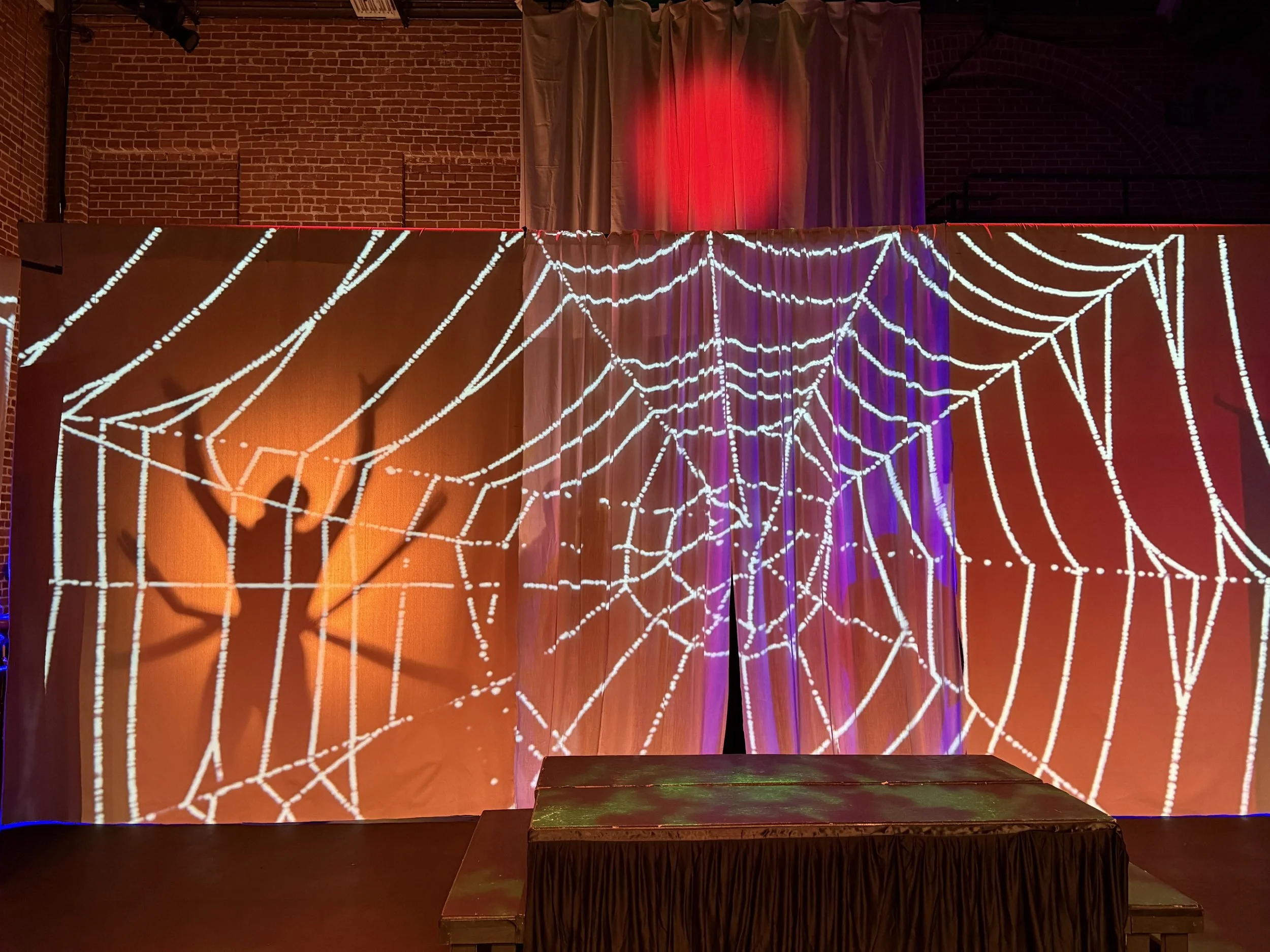
Here are images of the sets as projected. This is an incomplete, early version of the spider scene, but shows off the scrim effect we used for the creature’s entrance.
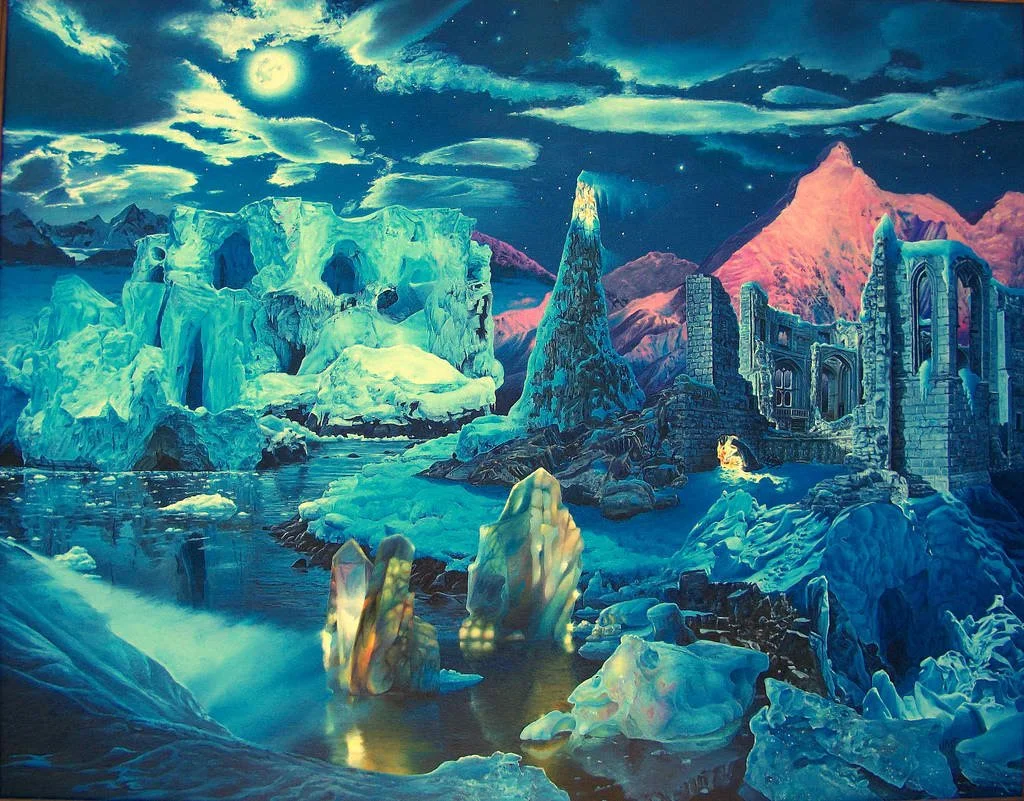
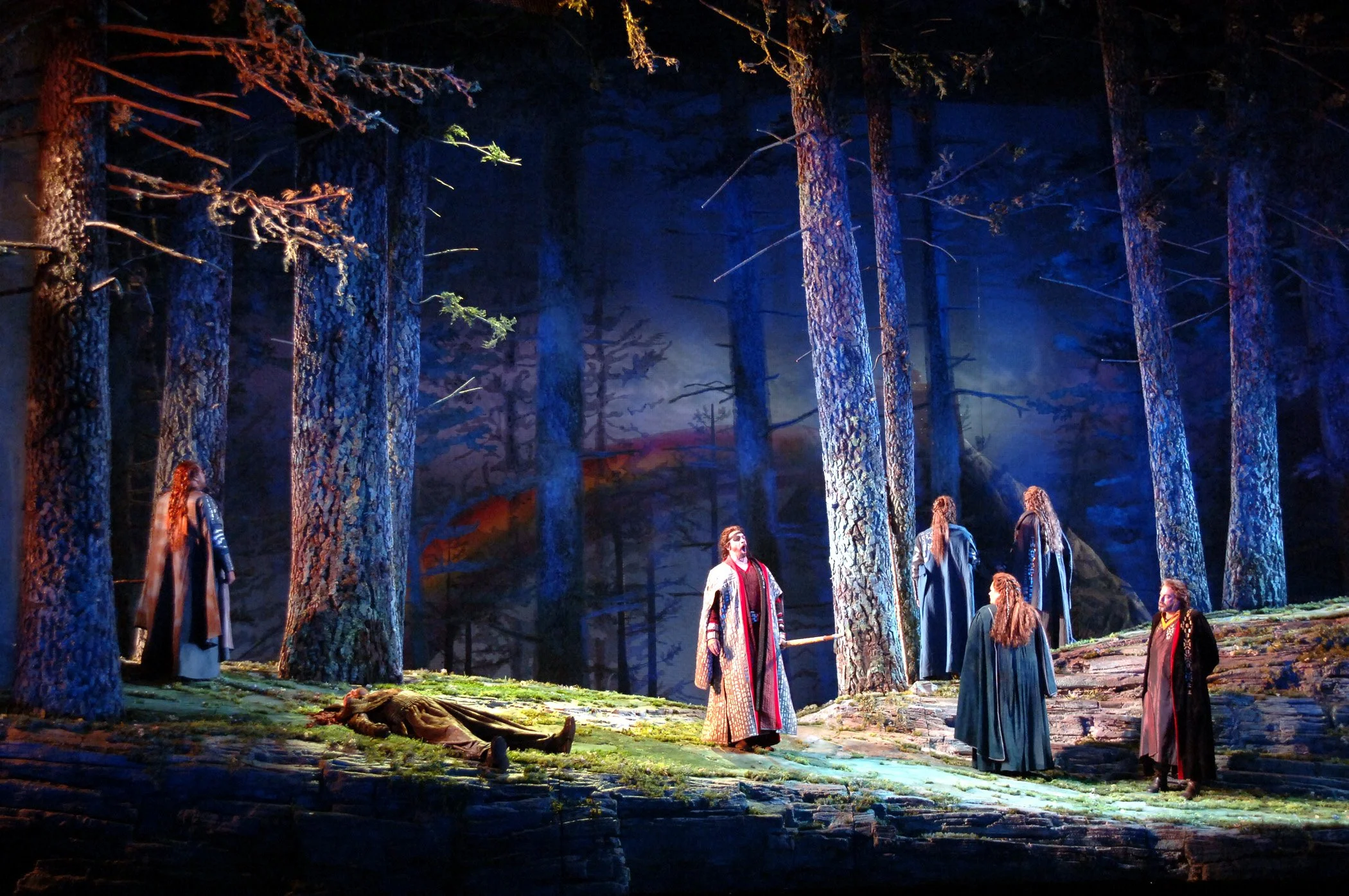
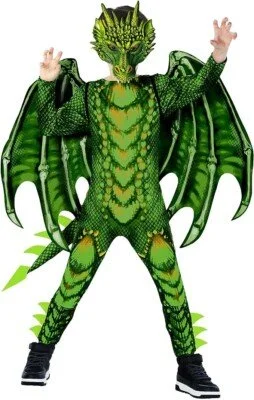
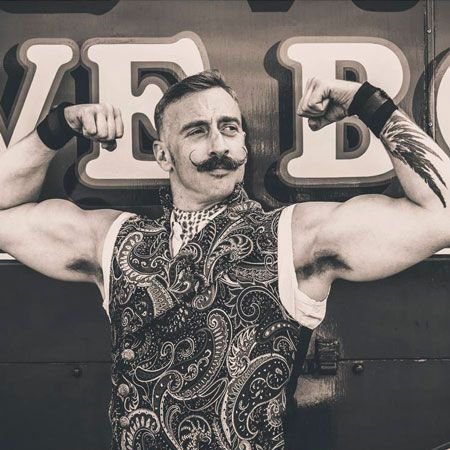
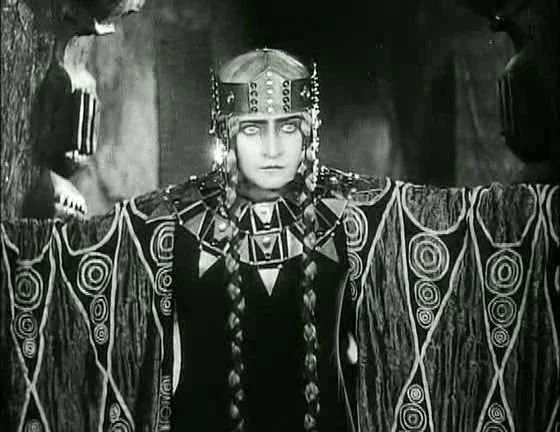
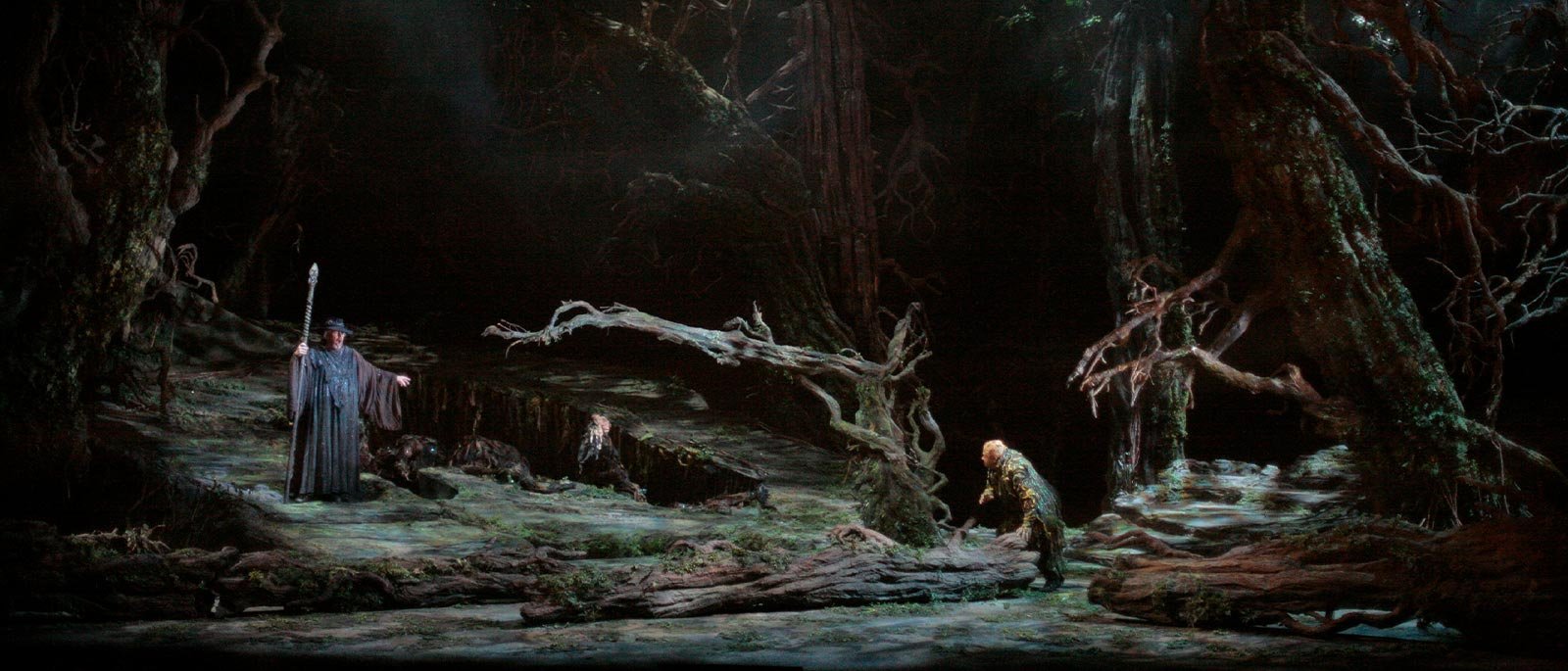
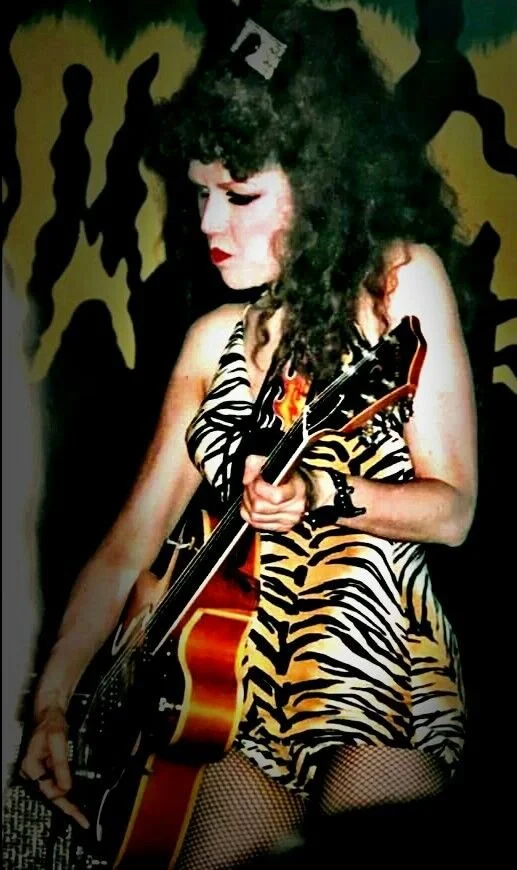
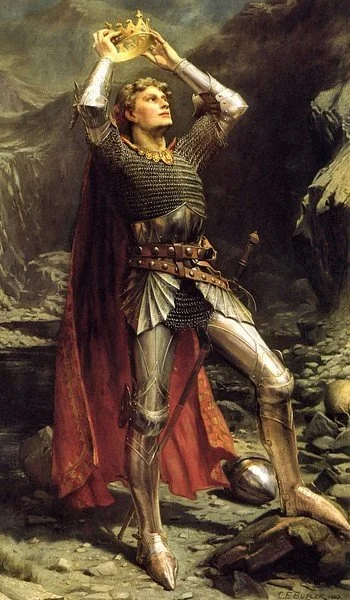
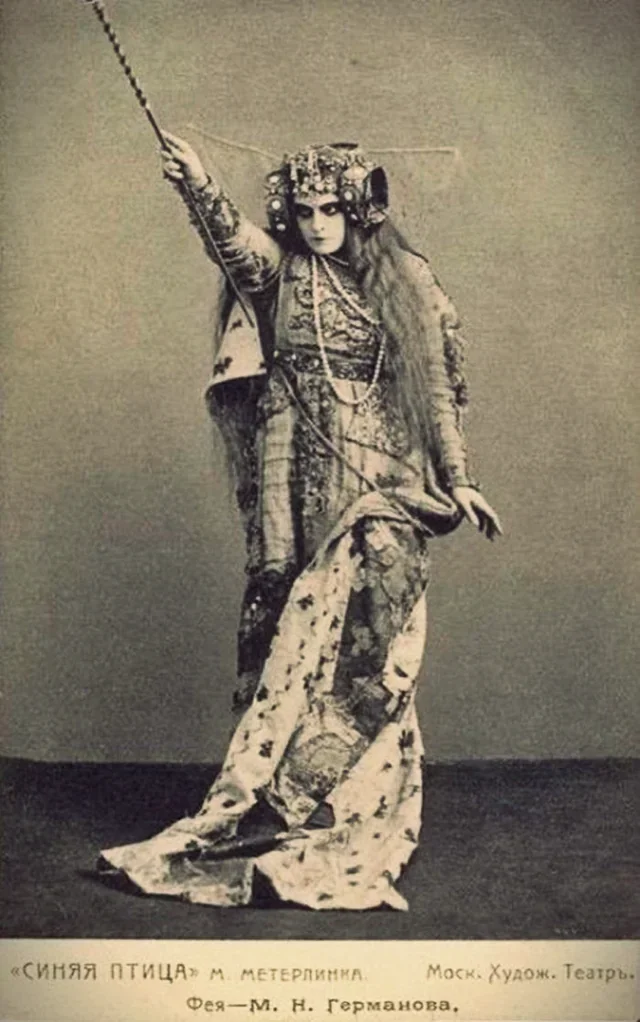
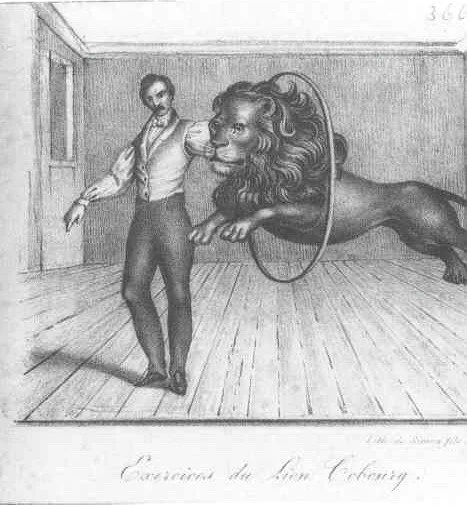
I begin all my projects with lists of key words, phrases, fragments of ideas, and most of all a giant library of images. These were assembled into a master creative deck, from which all the actors, production team leaders, and artistic chiefs could refer to. From the very first workshops, before there was even a script or a final character roster, there was a host of imagery that inspired our play, and gave everyone a reference for what this fairy tale world might look like. Looking back, we did a pretty amazing job of translating these references into a new world called Glassenvale.